
Rescue response
Trained responders cover the whole valley. Median time from hotline call to pickup is 15 hours this year, down from 24 in 2024.
We are the Pacific Northwest's only raccoon-specific rescue. Our clinic, field team, and 380 volunteers pick up the injured and the orphaned, treat them, and return them to the forests and creeks they came from.
A busy year so far. Between January and mid-September 2026 we admitted 131 raccoons, including a record 94 kits during baby season. 71 of those kits are already back in the wild.
(000) 000-0000 Injured, orphaned, or trapped raccoon? Our dispatch team answers around the clock, every day of the year.
What to do while you waitFour programs, one goal: healthy raccoons living wild in a valley that knows how to share space with them.
Trained responders cover the whole valley. Median time from hotline call to pickup is 15 hours this year, down from 24 in 2024.
Our new clinic wing opened in July 2026 with digital imaging, a surgical suite, and an isolation ward for animals that need quiet.
With the Valley Conservancy we protect and restore release sites. As of September 2026 that is 103 acres of riparian and oak corridor.
School visits, coexistence workshops, and free toolkits. More than 18,000 neighbors have taken part since 2015.
Every figure comes from our case log, which an independent reviewer checks each year.
Figures as of September 15, 2026. Full-year results and audited financials are in our 2025 annual report.
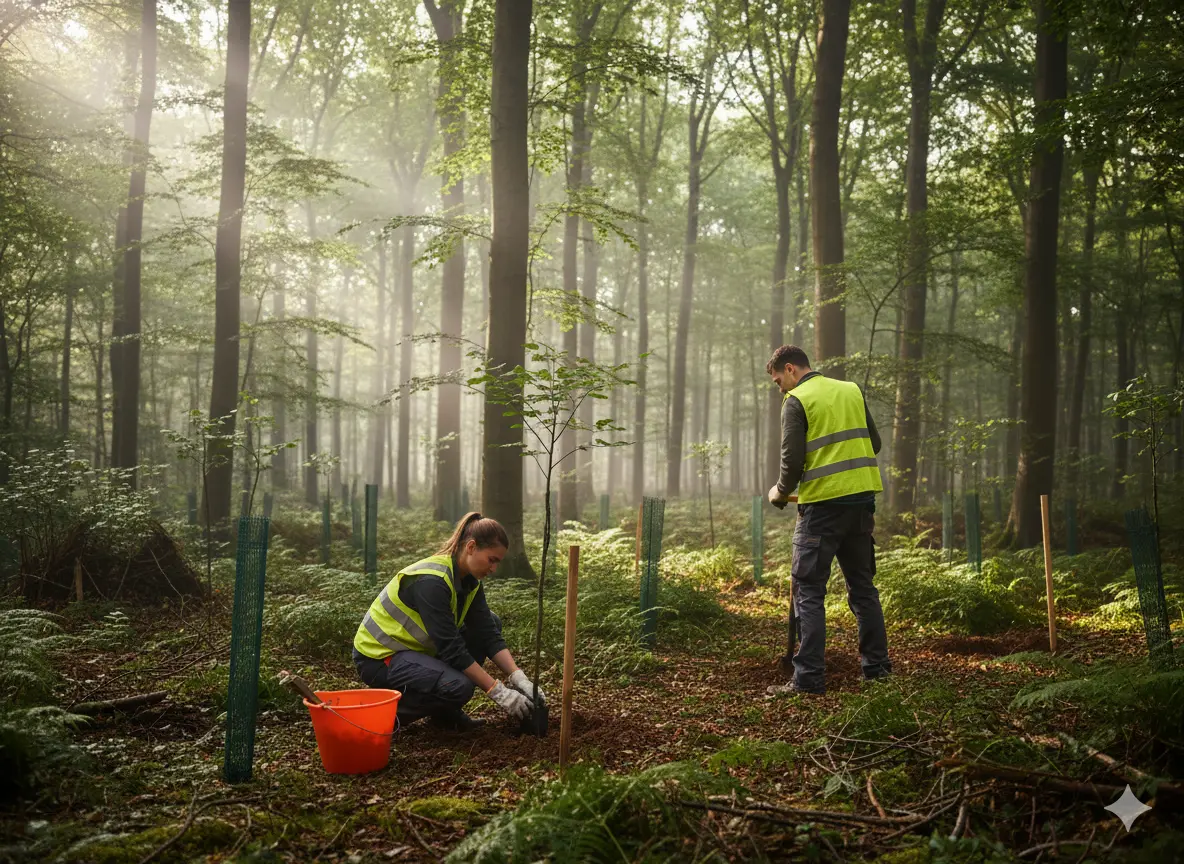
Forty places in our Tier 1 weekend on October 10 and 11. Dispersal season is our busiest stretch for road rescues, and we need drivers.
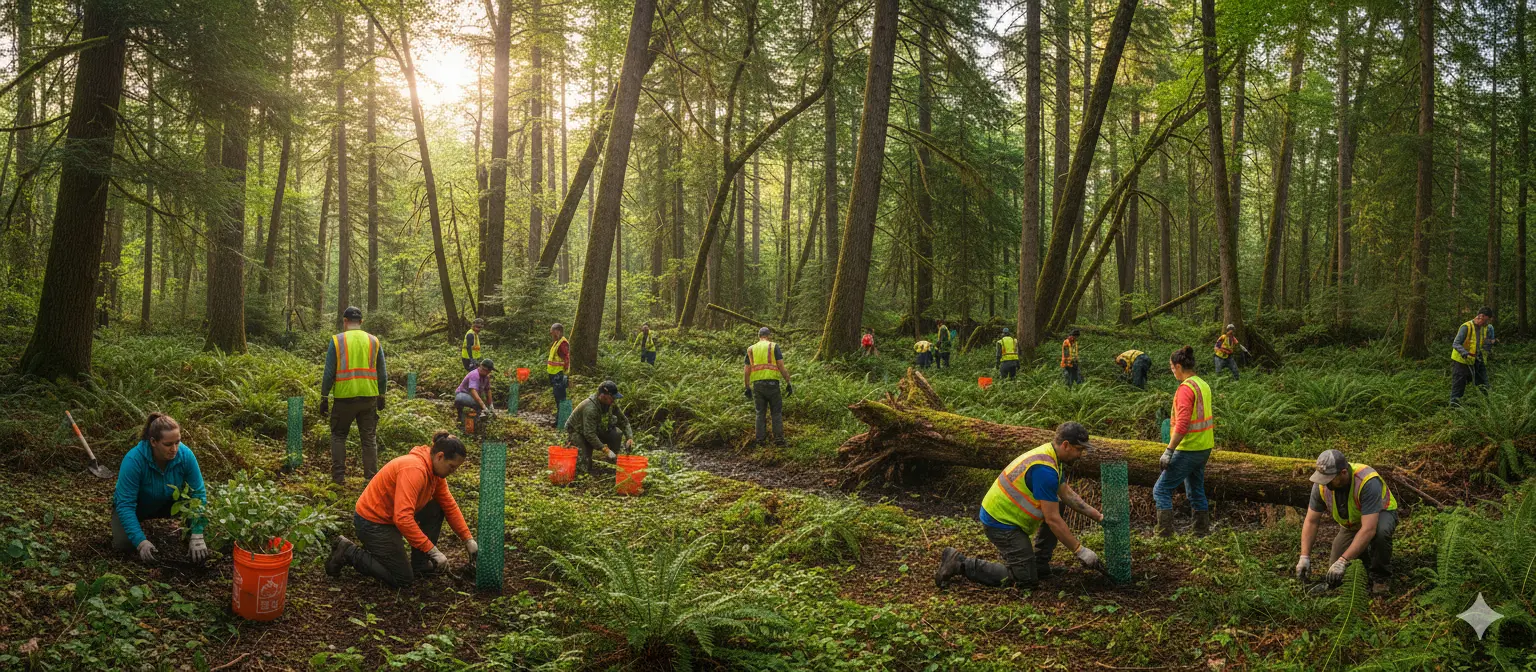
Eleven acres of new den trees and understory at Riverbend East take our protected release habitat to 103 acres.
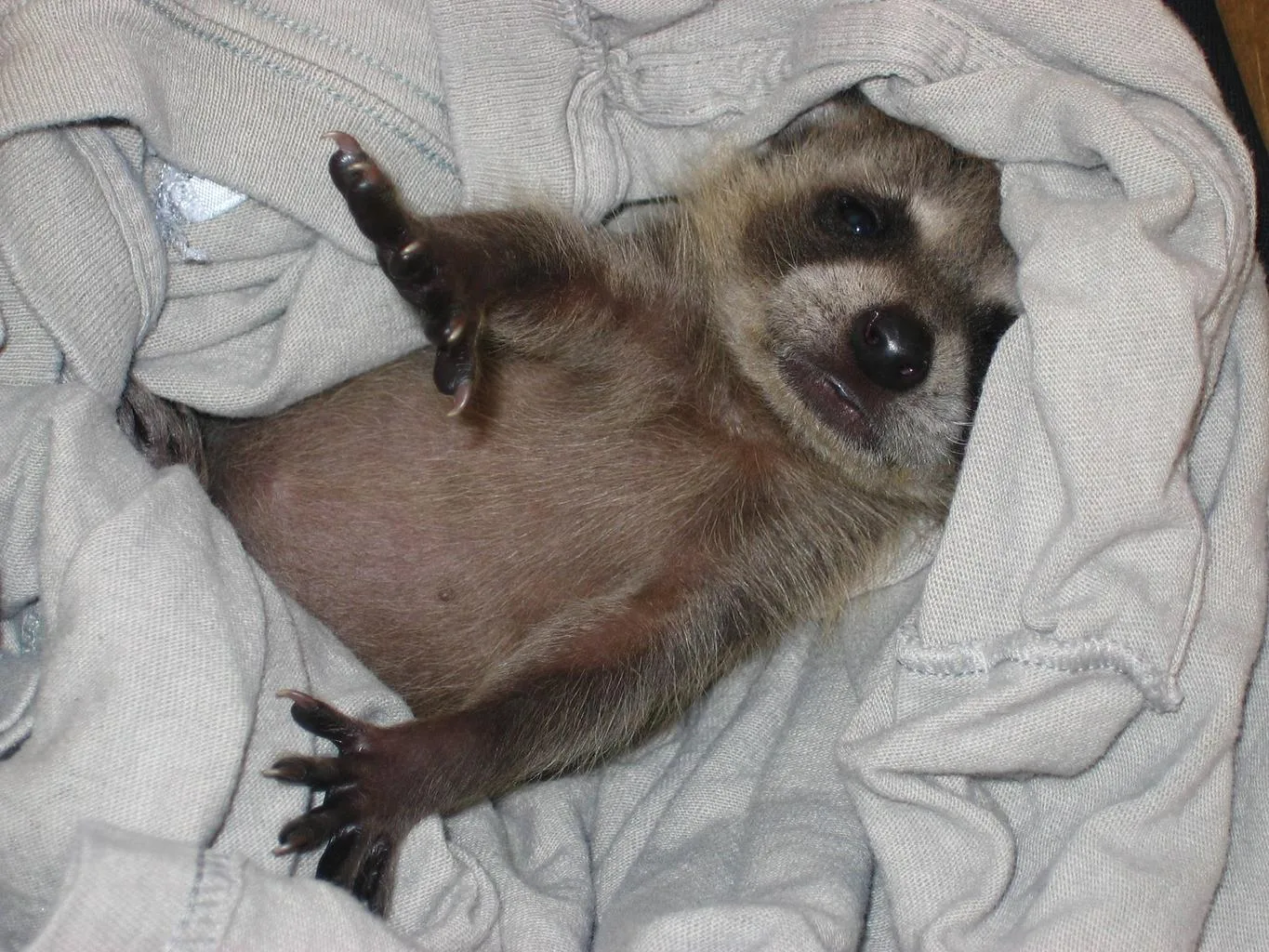
94 kits admitted between April and August, the most in our history. Here is how the season went and what it cost.
Every raccoon that comes through our doors has a case file. These are three of the ones we tell most often.
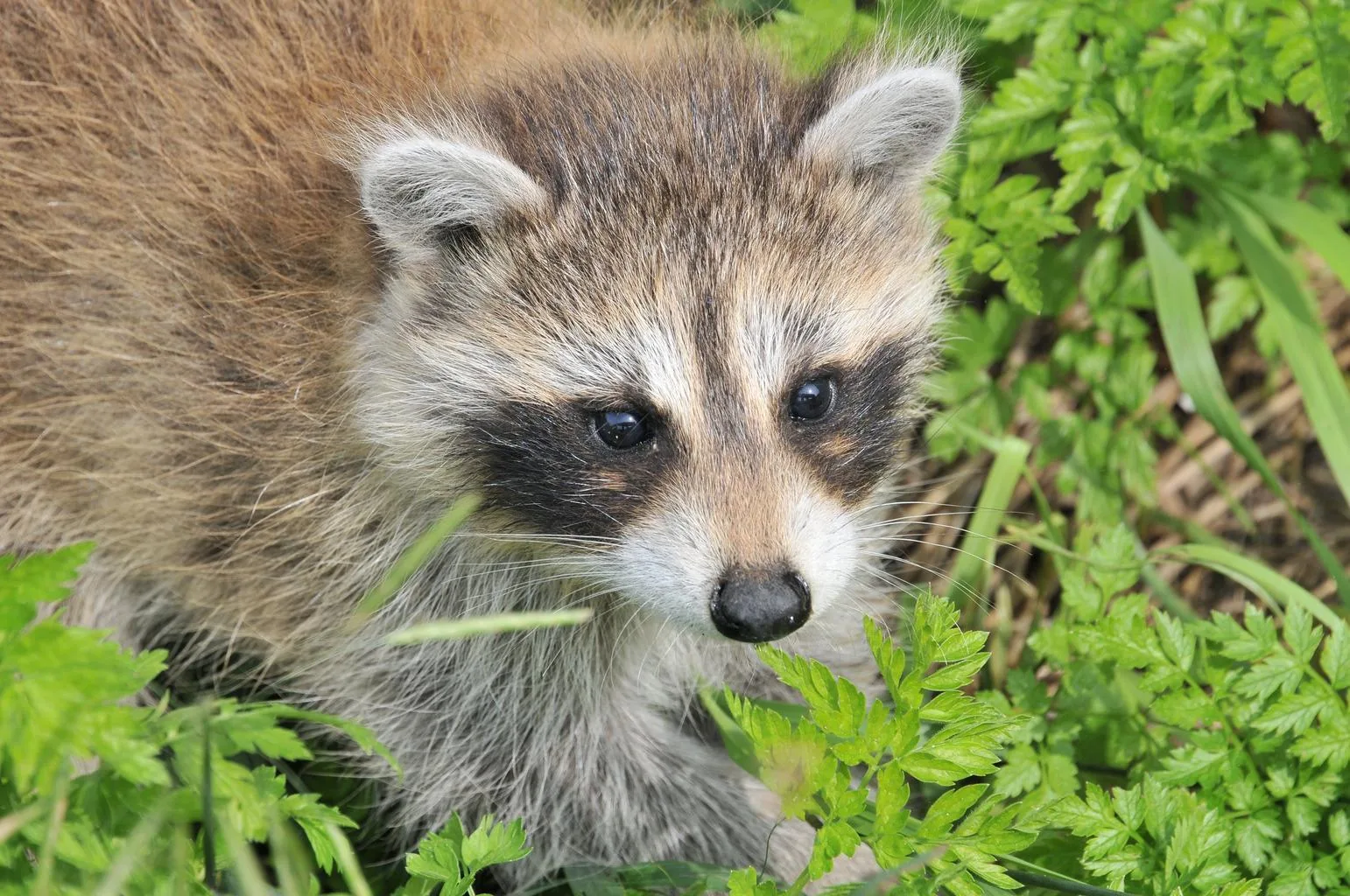
A kit fell down a chimney in May. Instead of taking him in, we helped his mother take him back. Read how a reunion works.
Read Pip's story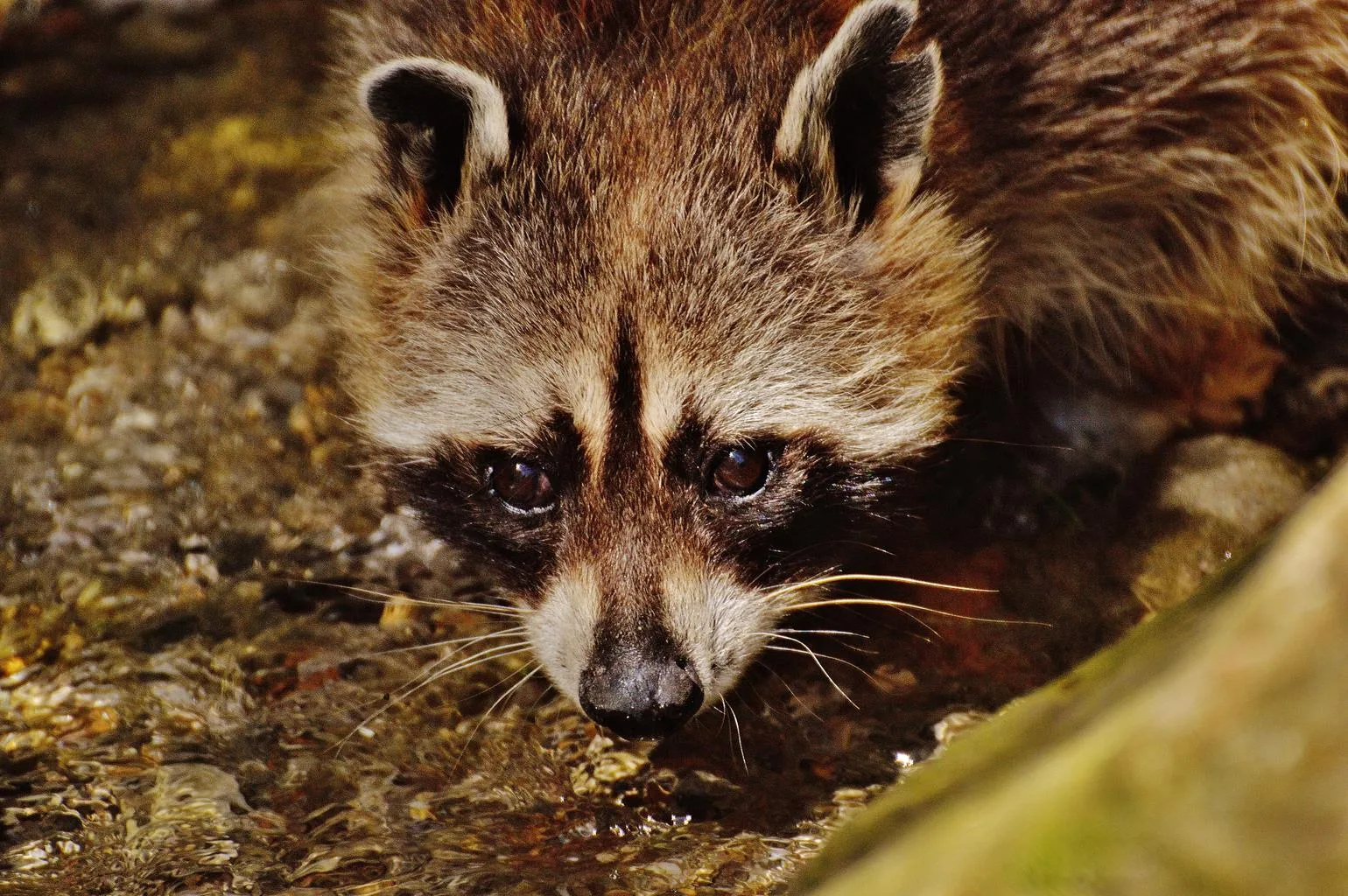
An adult male with monofilament cutting into his foreleg. Eleven days of wound care and he walked back into the creek bed.
Read Bramble's story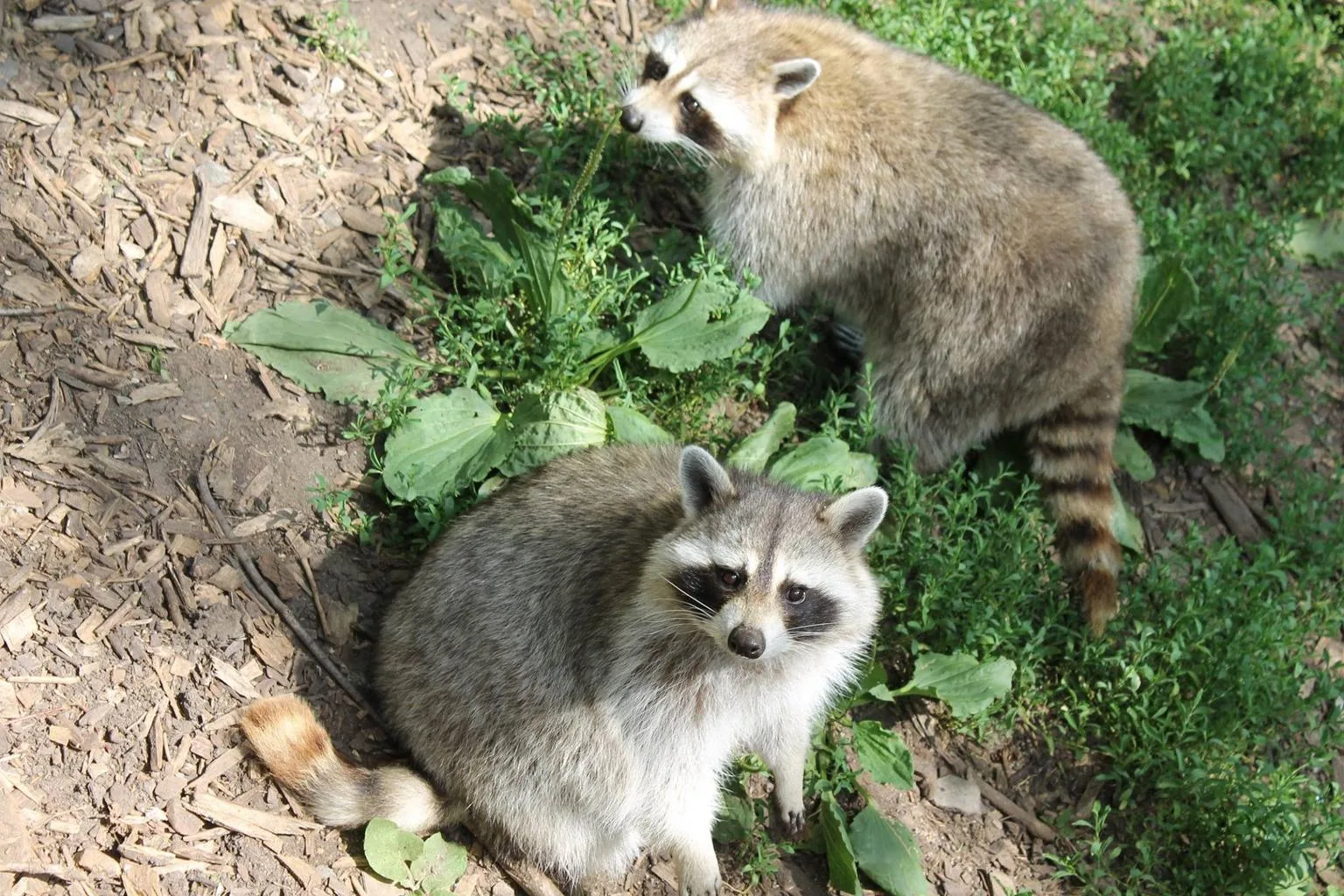
Four orphans from three different calls, raised as one cohort so they would learn from each other. Released together in November.
Read their storyOctober to December is dispersal season. Young raccoons leave their mothers, cross roads at night, and look for somewhere warm to den. It is when our hotline is busiest and our enclosures are fullest.
This fund keeps two dispatchers on through the season, stocks the new clinic for winter, and pays for 60 insulated den boxes that volunteers will install across our habitat corridors in November.
They rescued the raccoon in our attic and then spent twenty minutes showing us how to make sure it never happened again. No lecture, just help.The Molina familyMossy Creek neighborhood
Foggy Valley's team coordinated with our crews during the Riverbend fire. Their calm, clear instructions made all the difference for the animals and for us.Chief Ava RodriguezFoggy Valley Fire District
We have seen a 30 percent increase in healthy raccoon sightings along the corridors we designed together. That is what a partnership should look like.Taylor MarksValley Conservancy