Found a raccoon? Call our 24/7 hotline: (000) 000-0000 Public tours Saturdays, 10 a.m. to 2 p.m.

Annual report, fiscal year 2025

More calls, faster answers, and a clinic of our own

2025 was our tenth full year and our busiest. We admitted 158 raccoons, released 94% of them, cut median response time by seven hours, and raised the money to build a clinic. This report says how, and what it cost.

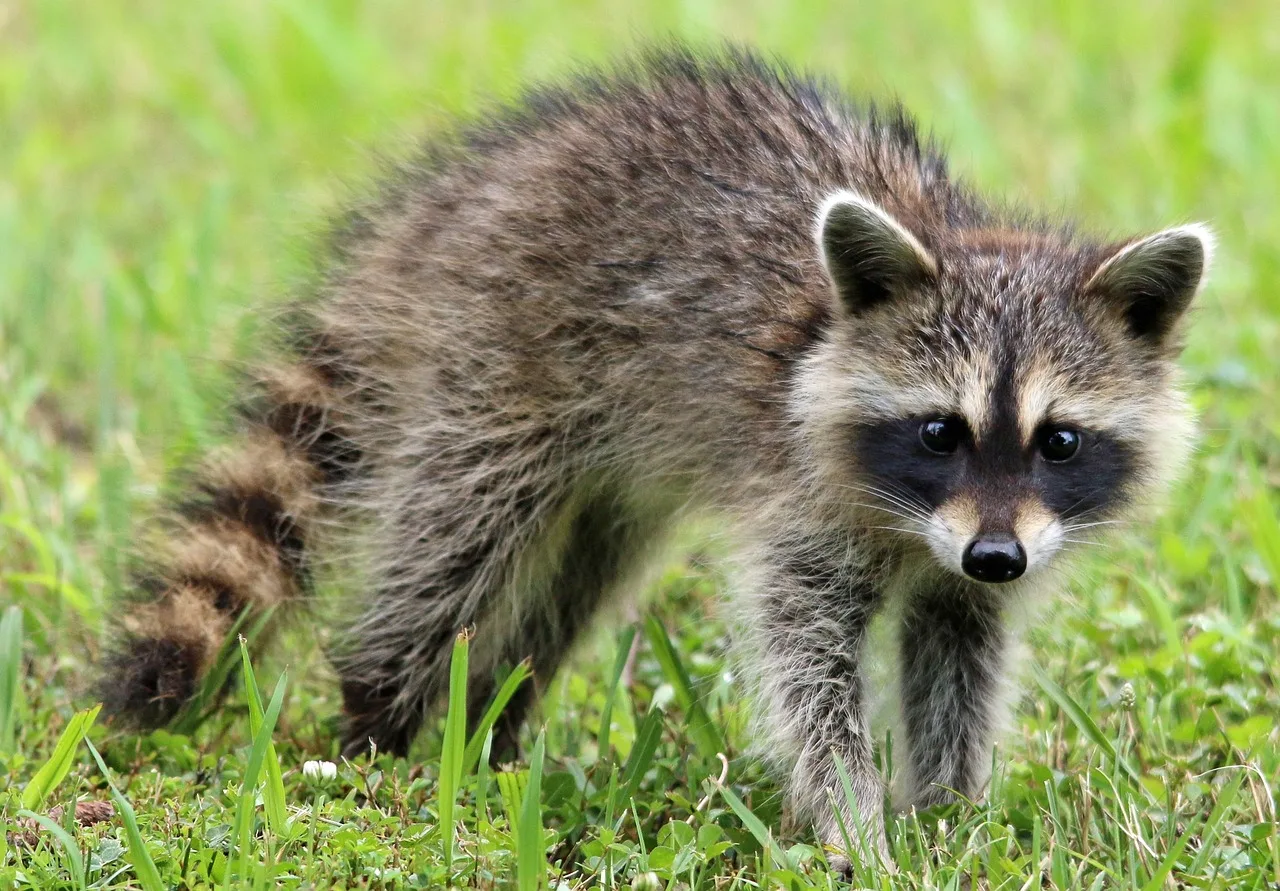
A young raccoon standing in grass, looking at the camera
Release day at Alder Flats, one of 149 resolved cases in 2025.

2025 at a glance

January 1 to December 31, 2025. Every figure is drawn from the unified case log adopted in March 2025 and was checked against case records by the Cascadia Wildlife Care Alliance in February 2026.

158 raccoons admitted
Up 25% from 126 in 2024. 72 were kits admitted during baby season.
94% released
140 of 149 resolved cases returned to the wild. 9 animals could not be saved. 9 cases carried into 2026.
17-hour median response
From hotline call to pickup, down from 24 hours in 2024. Target was 18.
14 kits reunited
Returned to their mothers without admission, a protocol formalized in May.
362 active volunteers
Up from 320. 62 completed Tier 1 training; twelve-month retention rose to 78%.
22 certified rehabilitators
Staff and contract, up from 18, including two seasonal care staff for baby season.
3,400 people reached
School visits, workshops, and tours. Cumulative reach since 2015 is 15,900.
24 acres restored
Two new parcels secured. Protected habitat reached 92 acres across three corridors.
$131,400 capital raised
The Clinic and Learning Lab campaign closed in November at 110% of its $120,000 goal.
Portrait of Mara Chen, Executive Director
Mara Chen, Founder and Executive Director

From the Executive Director

In October we held a party for our tenth birthday, and I spent most of it thinking about the barn. In 2015 there was no running water in it. We warmed formula on a camp stove. When a raccoon needed an X-ray, I drove it 40 minutes each way and hoped the vet had a slot.

In 2025 we admitted 158 raccoons, more than the first three years combined. We answered the hotline faster than we ever have. We put every case into one log and then invited someone from outside to check our numbers, which is a nerve-racking thing to do and, it turns out, a clarifying one. And 412 of you gave to build a clinic, so that by the time you read this the X-ray machine will be twelve steps from the intake door.

The thing I am proudest of is smaller. Fourteen kits went home to their mothers this year because a responder set up a warming box and a camera and waited instead of reaching for a crate. That is not a rescue in the way we usually mean it. It is better than one.

We did not get everything right. Tiered volunteer training started six months late, and baby season stretched our care staff past what was fair to them. Both are in the 2026 priorities. Thank you for reading this far, and for the ten years.

Mara ChenFounder and Executive Director, May 2026

How we did against the 2025 priorities

We set six priorities in the 2024 report. Here is each one, what we said, and what happened.

PriorityWhat we said in 2024What happened in 2025Status
Clinic capacity and learning lab Raise $120,000 for surgical space, imaging, and juvenile housing, staged over two quarters. Campaign closed November 2025 at $131,400. Construction began January 2026; clinic wing opened July 14, 2026. Met
Faster field response Add part-time dispatch and train ten capture specialists; lower median response from 24 to 18 hours. Part-time dispatch started April. Eleven capture specialists trained. Median response 17 hours for the year, 16 in Q4. Met
Habitat corridors Secure two parcels, restore 20 acres, monitor every release for six weeks. Alder Flats (14 acres) and Riverbend East (30 acres, leased) secured. 24 acres restored. Six-week monitoring on 100% of releases from July. Met
Volunteer depth and safety Grow to 350 active volunteers, introduce three-tier training, reduce turnover with mentorship. 362 active at year end. Mentorship cohorts from March. Tiered training only fully launched in September, later than planned. Partly met
School and family programs Publish a family coexistence toolkit and a teacher field lab guide; measure learning gains. Toolkit published March (1,900 downloads). Field lab guide published September, adopted by four districts. Pre- and post-assessment run with 610 students; average gain 31 points. Met
Data and transparency Adopt a unified case log, publish quarterly dashboards, invite a third-party reviewer. Case log live March 2025. Four quarterly dashboards published. Cascadia Wildlife Care Alliance reviewed outcomes in February 2026 and confirmed the 94% release rate. Met

Programs

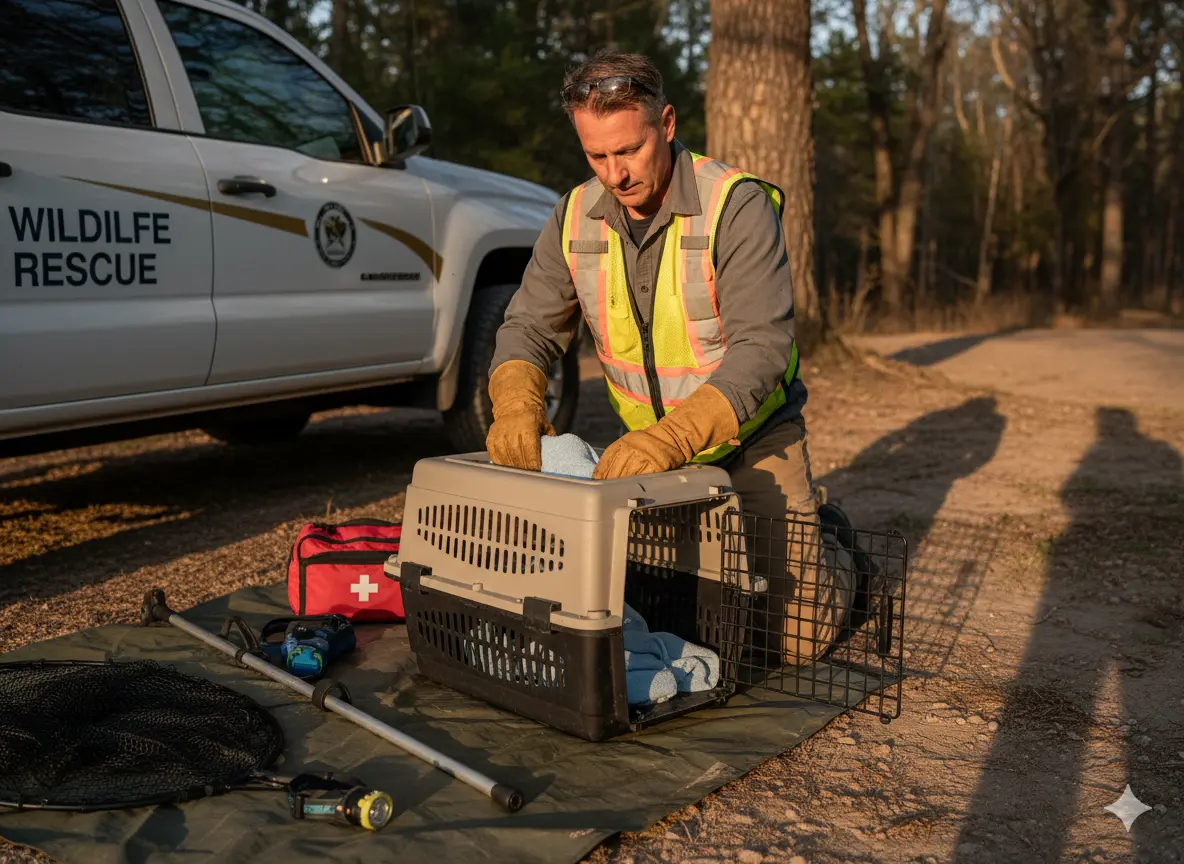
A field responder preparing a transport crate beside a wildlife rescue truck

Rescue response

The hotline took 1,140 calls in 2025, up 19%. Not every call is a rescue: 41% were resolved with advice, and 14 ended in a kit being reunited with its mother. Part-time dispatch from April meant evening calls were answered by a trained person instead of a voicemail, which is most of why response time fell. Eleven new capture specialists brought the field roster to 31.

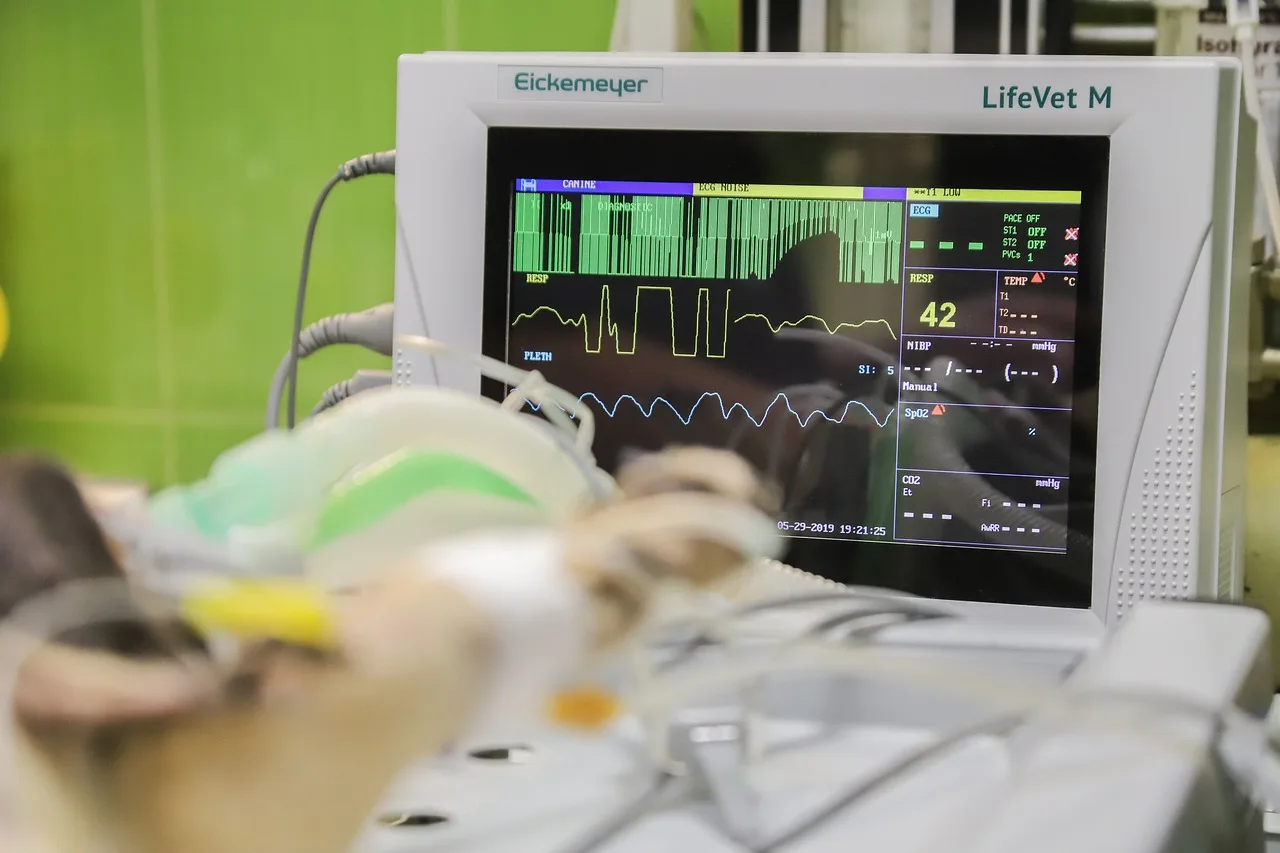
A veterinarian reviewing medical images on a monitor

Veterinary care

Dr. Ortega and partner veterinarians at Mossy Creek Veterinary Hospital handled 158 intakes, 47 imaging sessions off site, and 19 surgeries. Case reviews every two weeks refined our release readiness scoring. The most common diagnoses were dehydration and malnutrition in kits, soft-tissue trauma from vehicles, and entanglement wounds. Nine animals were euthanized on welfare grounds; each case was reviewed by two veterinarians.

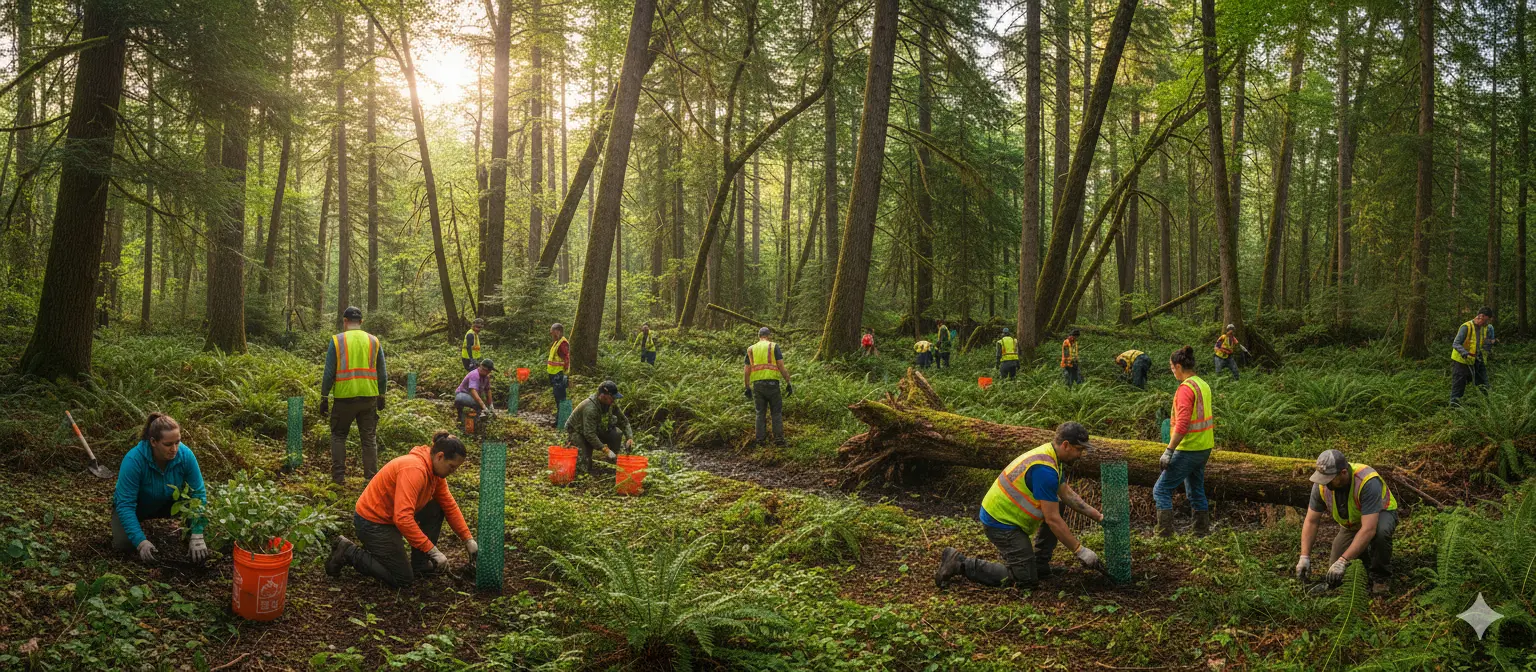
A large crew of volunteers planting trees in a forest clearing

Habitat protection

Two new parcels and 24 restored acres took protected habitat to 92 acres. 88% of releases went to one of the three corridors, up from 71% in 2024. Trail cameras at release sites logged 1,860 raccoon detections, and for the first time we can say with data that corridor releases den sooner and range less than releases elsewhere.

A group of people gathered outdoors under trees

Community education

3,400 people took part in 2025: 41 school visits, 22 coexistence workshops, 48 Saturday tours, and the tenth-anniversary Den Party in October. The family coexistence toolkit was downloaded 1,900 times, and teachers in four districts adopted the field lab guide. Students who did the field lab scored 31 points higher on a raccoon-safety assessment afterward than before.

Why raccoons needed us in 2025

Reason for admission, all 158 cases. A quieter fire year and a large baby season changed the mix from 2024, when wildfire displacement was 41%.

  • Orphaned or separated kits60 cases
    38%
  • Wildfire or smoke displacement35 cases
    22%
  • Vehicle collisions33 cases
    21%
  • Entanglement in netting, fencing, or line14 cases
    9%
  • Illness, disease, or other16 cases
    10%
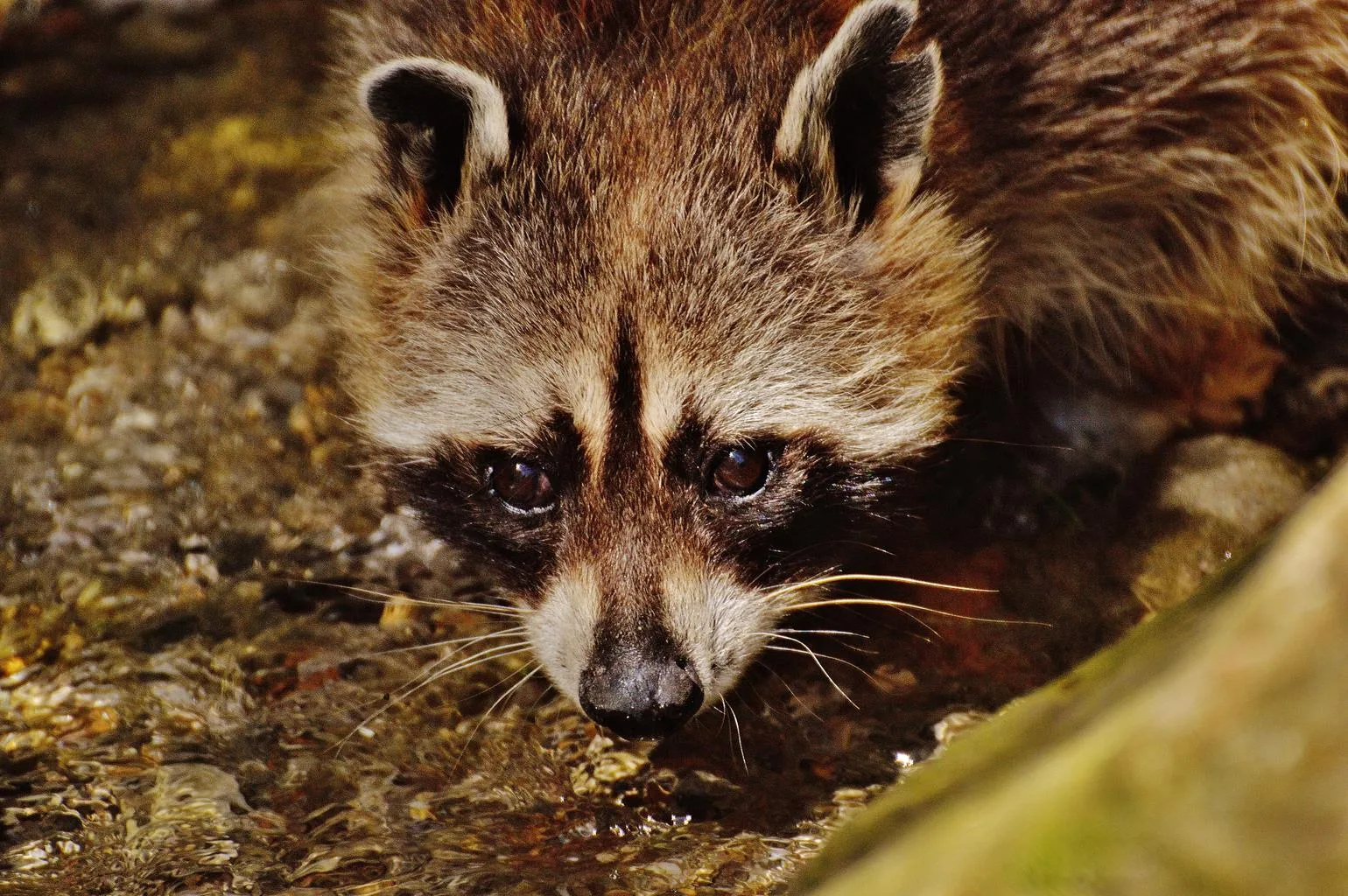
An adult raccoon drinking from a shallow creek, looking up at the camera

Bramble, August

Adult male, fishing line wrapped through the foreleg. Line removed under light sedation, eleven days of wound care, released at the boat ramp after volunteers cleared it of discarded line.

Read more
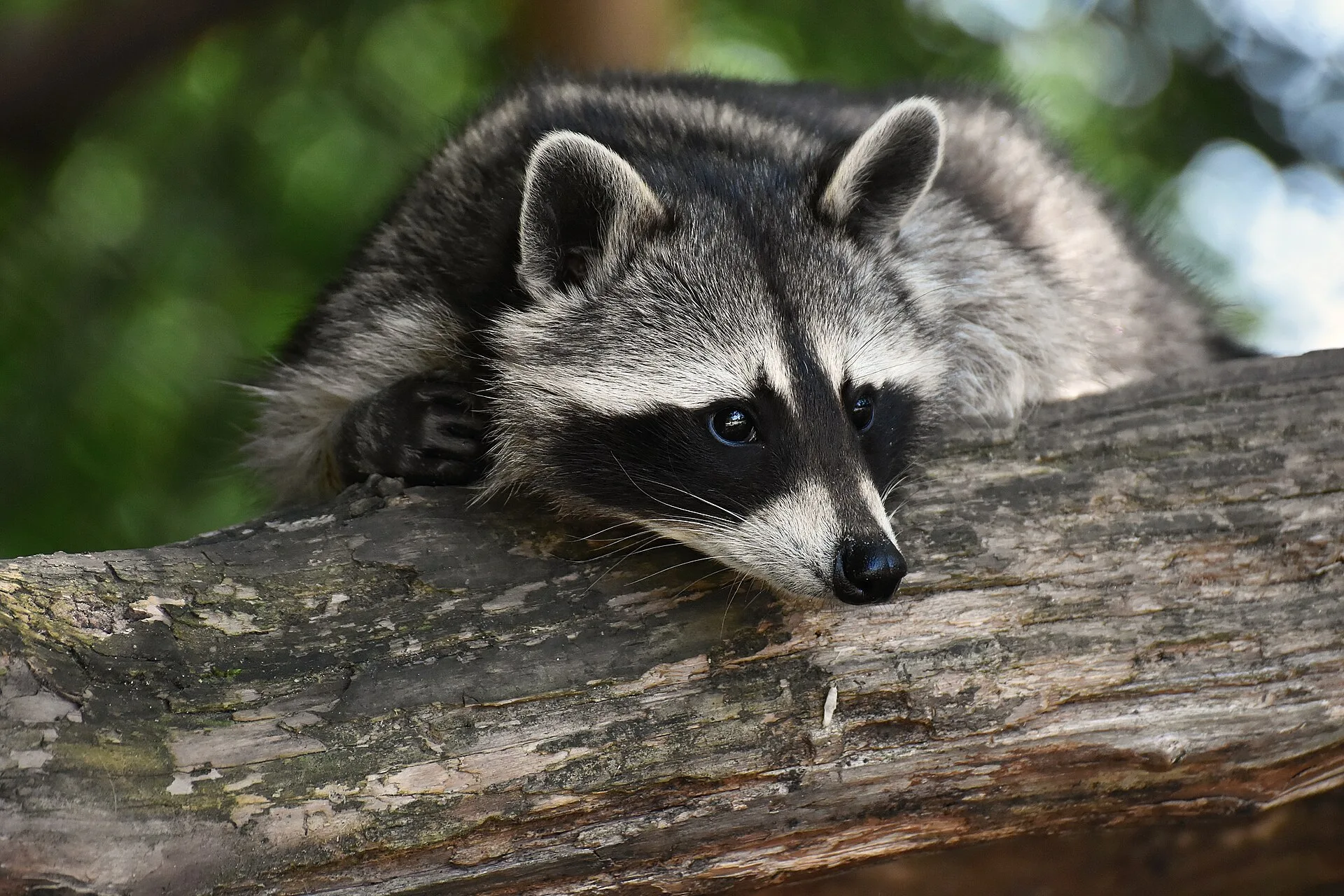
An adult raccoon resting its chin on a fallen log

Sable, August to September

Older female with a tibial fracture. Three off-site imaging trips, a splint, and four weeks of rehabilitation. The case we cited most often when asking donors for on-site imaging.

Read more
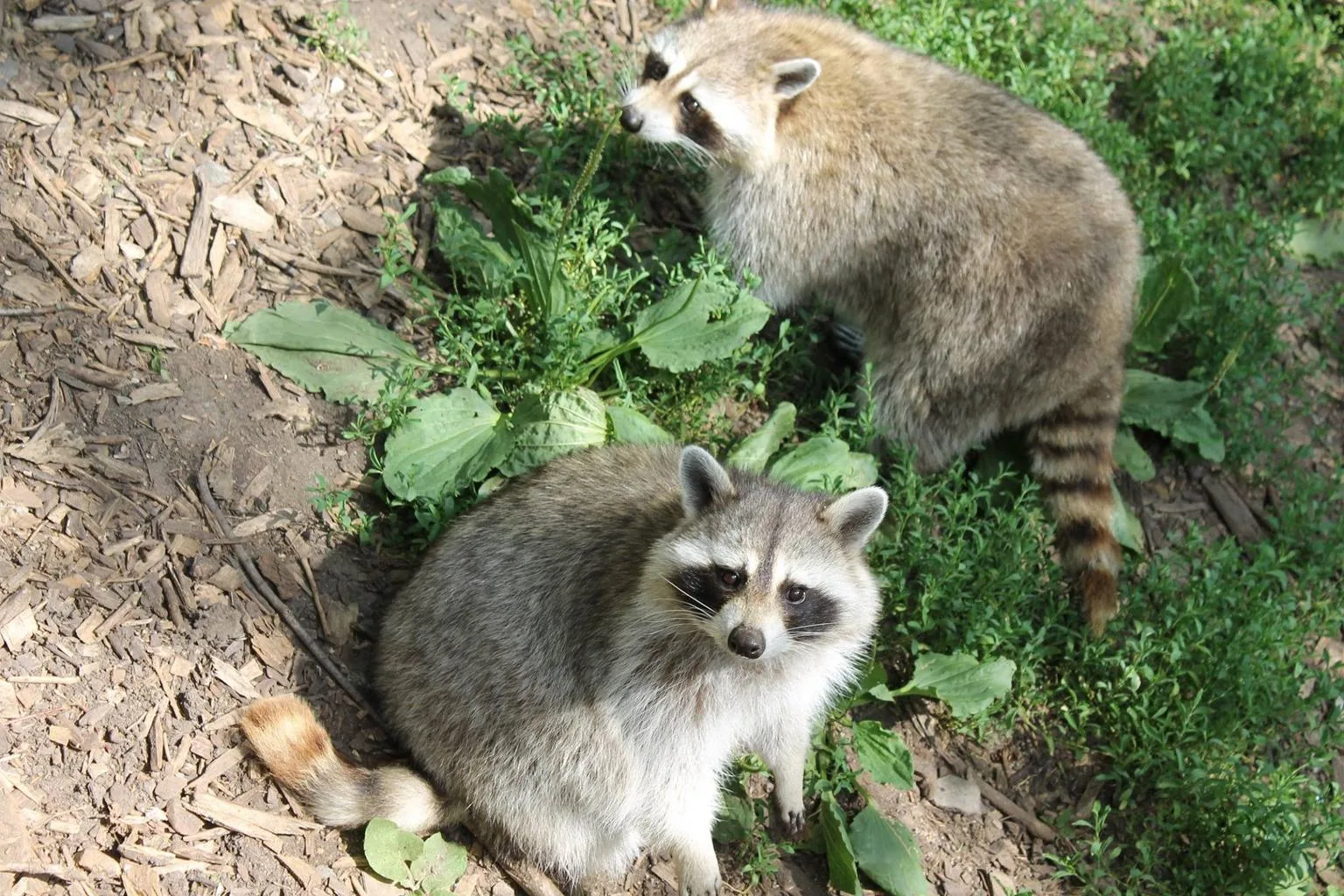
Two juvenile raccoons sitting together on a patch of grass and bark chips

The Cedar Four, September to November

Four orphans from three calls, raised as one cohort so they would learn foraging from each other. Released together at Alder Flats on November 8 and still denning together at Christmas.

Read more

Financial summary, fiscal year 2025

Operating activity, January 1 to December 31, 2025. Harper & Lowe CPAs completed an independent financial review in November 2025 with no findings. Form 990 was filed in May 2026.

Operating revenue: $236,400
Source20252024
Individual gifts$121,200$94,300
Den Keepers monthly giving (from February)$17,700$0
Grants$62,500$31,800
Events and community fundraisers$27,300$22,500
In-kind and other$7,700$0
Total$236,400$148,600
Operating expenses: $221,800
Category20252024
Program services (75%)$166,400$102,100
Fundraising (12.5%)$27,700$19,200
Management and general (12.5%)$27,700$20,600
Total$221,800$141,900
Operating surplus: $14,600

Designated by the board to the operating reserve, which stood at 4.2 months of expenses on December 31, 2025. The 2024 target of four to six months by mid-2026 was reached early.

Capital campaign: $131,400 restricted

The Clinic and Learning Lab campaign is tracked separately from operations. 412 donors gave $91,400; the Pacific Northwest Wildlife Fund gave a $40,000 capital grant. Construction cost $118,900; the balance is reserved for equipment.

Cost per raccoon: $1,050

Program services divided by admissions. Kits average about $720; adults with surgery or long rehabilitation average about $1,900.

Priorities for 2026

Five commitments, each with a number we will report against in next year's report.

  1. Open the clinic wing and use it

    Complete construction by June, take 90% of imaging on site by year end, and cut the average time from intake to first diagnostic image to under two hours.

  2. Hold response time through dispersal season

    Keep median response at or below 15 hours across the whole year, including October to December, by adding a second evening dispatcher and 40 new Tier 1 volunteers in the fall cohort.

  3. Reunions before rescues

    Make the reunion attempt standard for every healthy kit call, target 25 or more reunions, and publish the protocol so other centers can use it.

  4. Baby season staffing

    Open the seasonal care roster in April rather than May, and add two pre-release enclosures, so that no enclosure holds more than six kits at peak.

  5. Five months of reserve and a Spanish-language hotline guide

    Reach a five-month operating reserve by December 31, 2026 through the Winter Den Fund, and publish all hotline and "found a raccoon" guidance in Spanish by spring 2027.

Thank you

1,214 individual donors, 143 Den Keepers, 362 volunteers, and the partners below made 2025 possible. Institutional and major supporters are listed with their permission.

  • Pacific Northwest Wildlife Fund
  • Valley Conservancy
  • Riverbend Land Trust
  • Mossy Creek Hardware
  • Mossy Creek Veterinary Hospital
  • Foggy Valley Fire District
  • Cascadia Wildlife Care Alliance
  • Oregon Department of Fish and Wildlife
  • Harper & Lowe CPAs (pro bono review)
  • The Okafor Family Fund
  • Alder Ridge Community Foundation
  • Mossy Creek, Riverbend, and Alder school districts
  • Riverbend Rotary Club
  • Fogline Coffee Roasters
  • Everyone who called the hotline before picking up a kit

About this report

Organization

Foggy Valley Animal Rescue, 1287 Mossy Creek Road, Foggy Valley, OR 97401. 501(c)(3) nonprofit (fictional), EIN 00-0000000. Founded 2015.

Period and basis

Fiscal year January 1 to December 31, 2025. Financial figures from reviewed statements; program figures from the unified case log.

Published

June 2, 2026. Approved by the board of directors on May 19, 2026.

Note

Sample data prepared for product demonstration and testing. The organization, people, and figures are fictional.