
Our mission
Rescue, rehabilitate, and release raccoons harmed by environmental pressure and human activity, and advance humane, evidence-based wildlife practice across the valley.
Foggy Valley Animal Rescue started in 2015 when Mara Chen converted her family's barn into a licensed wildlife rehabilitation center for one species that nobody else in the valley would take. Today we run a clinic, a field response team, three habitat corridors, and an education program, all still for raccoons.
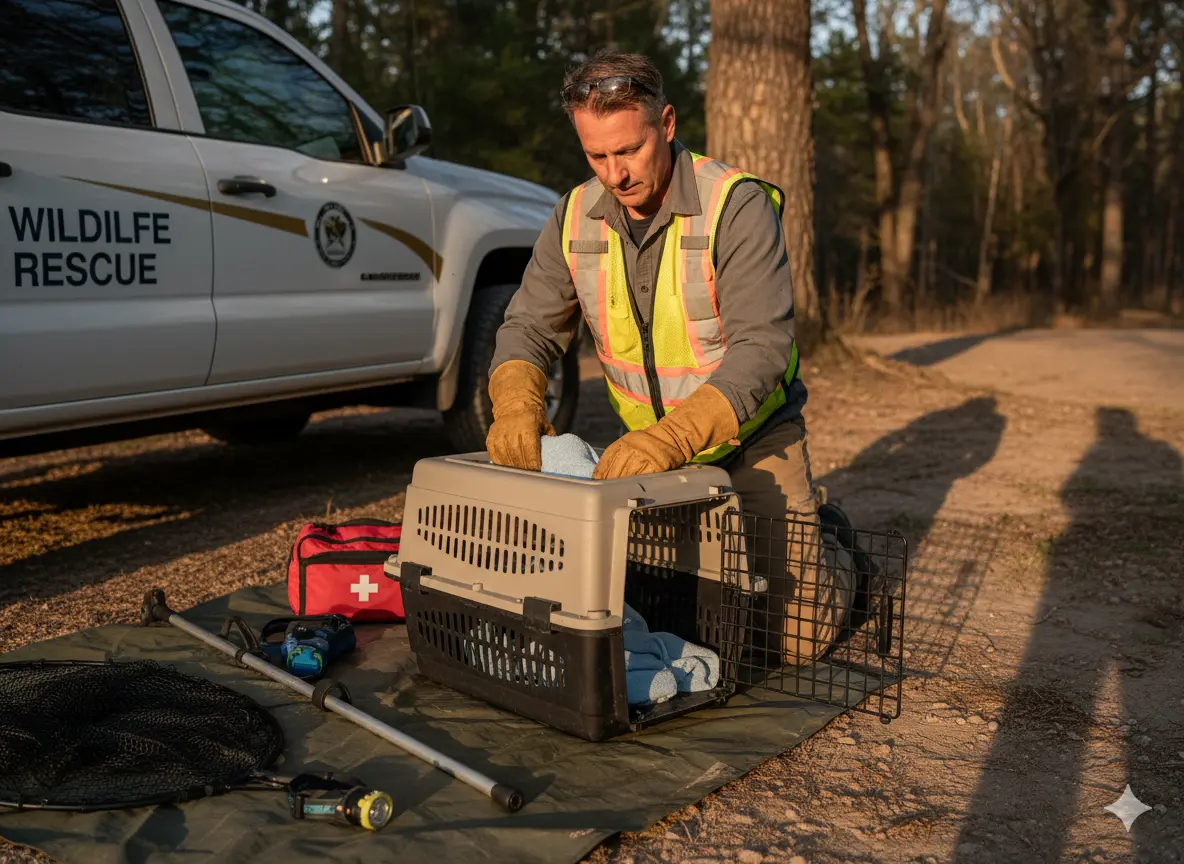
Raccoons are the most common wild mammal our neighbors meet, and the one most likely to end up hurt by roads, fencing, chimneys, and wildfire. General wildlife centers are stretched thin. A single-species center can do the job properly.
Rescue, rehabilitate, and release raccoons harmed by environmental pressure and human activity, and advance humane, evidence-based wildlife practice across the valley.
A Foggy Valley where every raccoon has protected habitat to return to, expert care when it needs it, and neighbors who know how to share space with it.
Calm handling and minimal sedation. Small cohorts so animals learn from each other. Six weeks of camera monitoring after every release. Numbers we publish and let someone else check.
Mara Chen receives her rehabilitation permit and admits the first raccoon, a juvenile hit on Mossy Creek Road, in April.
Volunteer dispatchers begin answering a single valley-wide number. Calls triple within a year.
Conservation agreements with two land trusts secure 40 acres of release habitat along Mossy Creek.
A classroom on campus hosts school field trips and volunteer training. 126 raccoons admitted, the most in a year to that point.
Monthly giving launches, a unified case log replaces paper files, and a capital campaign raises $131,400 for a proper clinic. 158 raccoons admitted.
The clinic wing opens in July with imaging and surgery on site. In September, protected habitat passes 100 acres.
Five full-time staff, 24 certified rehabilitators on staff or contract, and the volunteers who make the rest possible.

Founder and Executive Director
Certified wildlife rehabilitator with 17 years in mammal care. Still takes a hotline shift every other Sunday night.
Veterinary Director
Wildlife veterinarian specializing in trauma recovery and zoonotic disease prevention. Led the design of the 2026 clinic wing.
Clinic Manager
Joined in January 2026 from a small-animal hospital in Eugene. Runs intake, medical records, and the isolation ward.
Field Response Lead
Coordinates dispatch and the capture team. Responsible for cutting median response time from 24 hours to 15 since 2024.
Volunteer and Community Coordinator
Designed the three-tier volunteer training pathway and runs every school visit and coexistence workshop.
384 active as of September 2026
Drivers, dispatchers, animal care crews, den-box builders, docents, and the people who fold newsletters. Join them.
Seven volunteer directors, elected to three-year terms. The board meets six times a year and publishes minutes on request.
We ask people for money, so we show them where it goes.
EIN 00-0000000 is a placeholder. Oregon wildlife rehabilitation permit held continuously since 2015.
In 2025, 75% of spending went to rescue, clinical care, habitat, and education. Fundraising and administration were 12.5% each.
Harper & Lowe CPAs completed a financial review of 2025 with no findings. Form 990 filed May 2026.
The Cascadia Wildlife Care Alliance validated our 2025 release rate of 94% against case records in February 2026.