
Annual Report 2024

Together, we rescue raccoons, restore habitats, and rebuild trust

In 2024, the Foggy Vally collective of rehabilitators, veterinary specialists, and volunteers delivered raccoon-focused care from first response to soft release. This report captures the raccoons behind every number, the people powering our work, and the priorities charting the year ahead.

Wildlife rehabilitator releasing a raccoon into a forest
Soft releases returned raccoons to protected groves across the valley.
Admissions
126 raccoons entered care
Releases
92% returned to the wild
Response time
24 hours on average
People power
320 volunteers answered the call

2024 in focus

From wildfire response to family releases, each chapter is anchored in the raccoons we met this year. Use the guide to explore the data, stories, and commitments that defined 2024.

Impact at a glance

A year of rapid response, resilient recoveries, and community trust

Every statistic reflects a raccoon that received calm handling, trauma-informed veterinary care, and a release site prepared by partners across the valley.

From the first hotline call to the final night of soft release monitoring, 2024 demanded coordination across clinics, field crews, and community partners. The numbers below trace the scale of care, and the people who made it possible.

126 raccoons admitted
Wildfire zones, roadside rescues, and orphaned kits filled our intake log week after week.
92% rehabilitation and release rate
Cohort housing, enrichment ladders, and trauma-informed veterinary care restored instincts and strength.
24-hour average response time
Field crews prioritized juveniles, fire zones, and roadside calls with coordinated dispatch coverage.
18 rehabilitators and 320 volunteers
Certified specialists and volunteers sustained transport, daily care, enrichment, and hotline coverage.
2,180 neighbors engaged
Workshops, school programs, and field days grew our cumulative reach to more than 12,500 people.
18 acres restored
Riparian and oak corridors expanded protected release zones, building toward 68 acres since 2015.
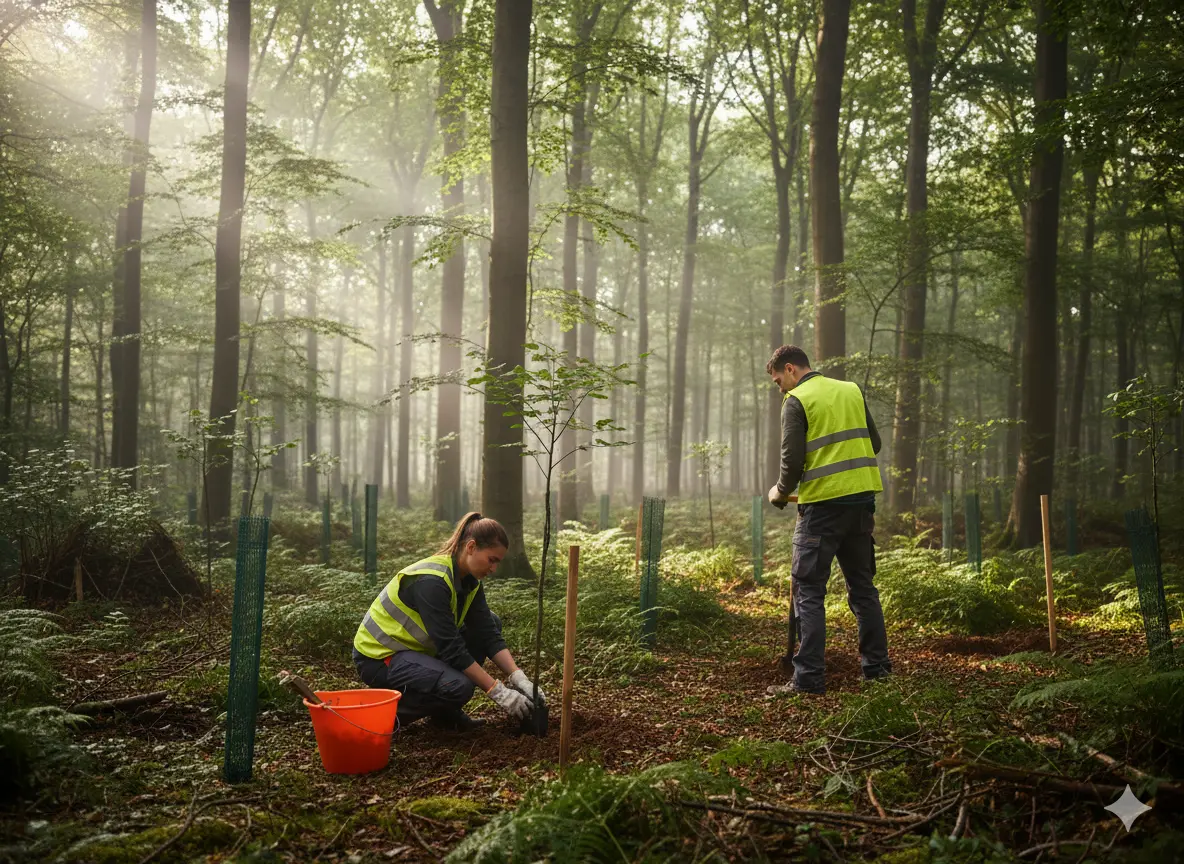
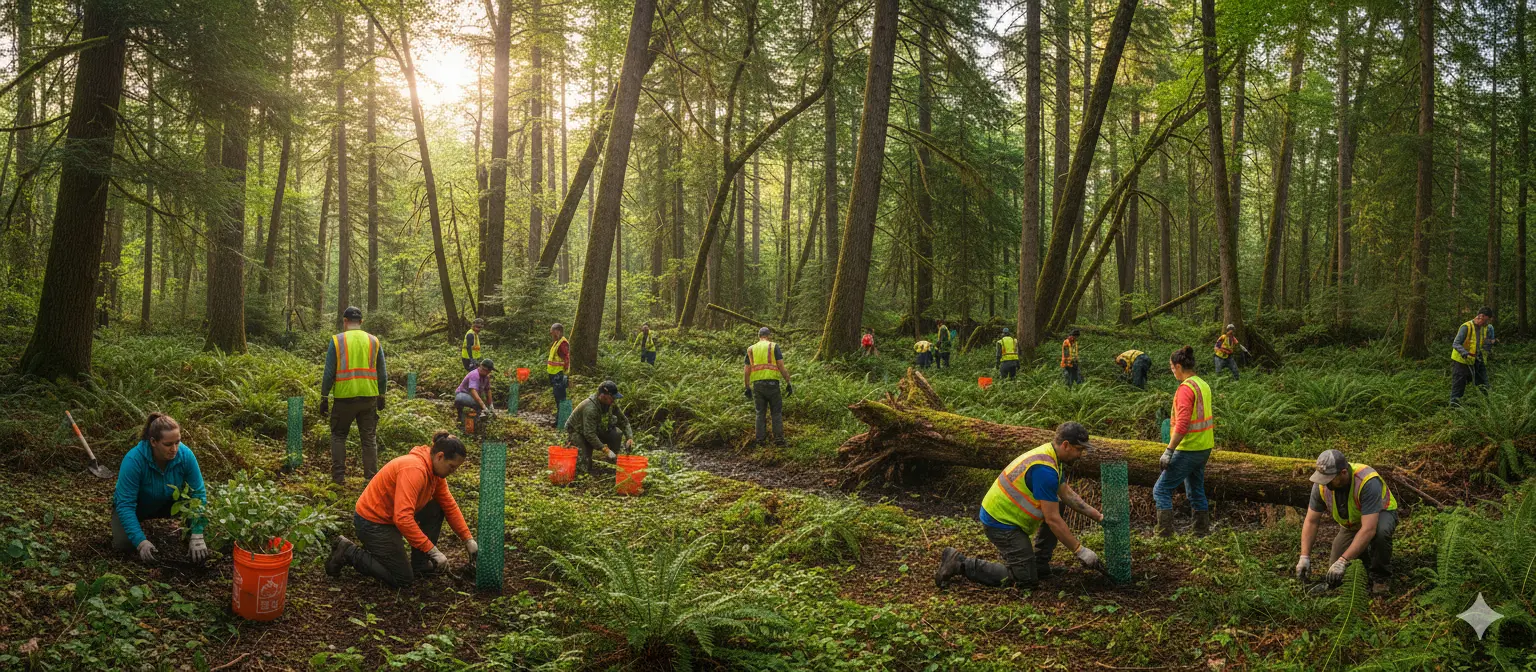
Volunteers in safety vests planting trees and restoring habitat in a sunlit forest corridor.
Habitat crews planted native trees and protected saplings across 18 acres of riparian forest, creating safe corridors for wildlife.
Executive director smiling outdoors
Mara Chen, Executive Director

A message from the Executive Director

Sharpening care, deepening trust

Foggy Vally began as a single barn and a shared conviction that raccoons deserve calm handling, proper medicine, and a real chance to return to the wild. In 2024 we sharpened our approach: trauma-informed care in the clinic, peer bonding in small cohorts, and structured enrichment that prepares animals for life outside our fences.

Thank you to every neighbor who called our hotline, every volunteer who showed up at midnight, and every partner who opened land for release. The valley is better for it.

- Mara Chen, Executive Director

Rescue stories

Raccoons whose recoveries shaped the year

Each story pairs attentive care with purposeful enrichment, ensuring raccoons return to the wild with resilience and the instincts they need to thrive.

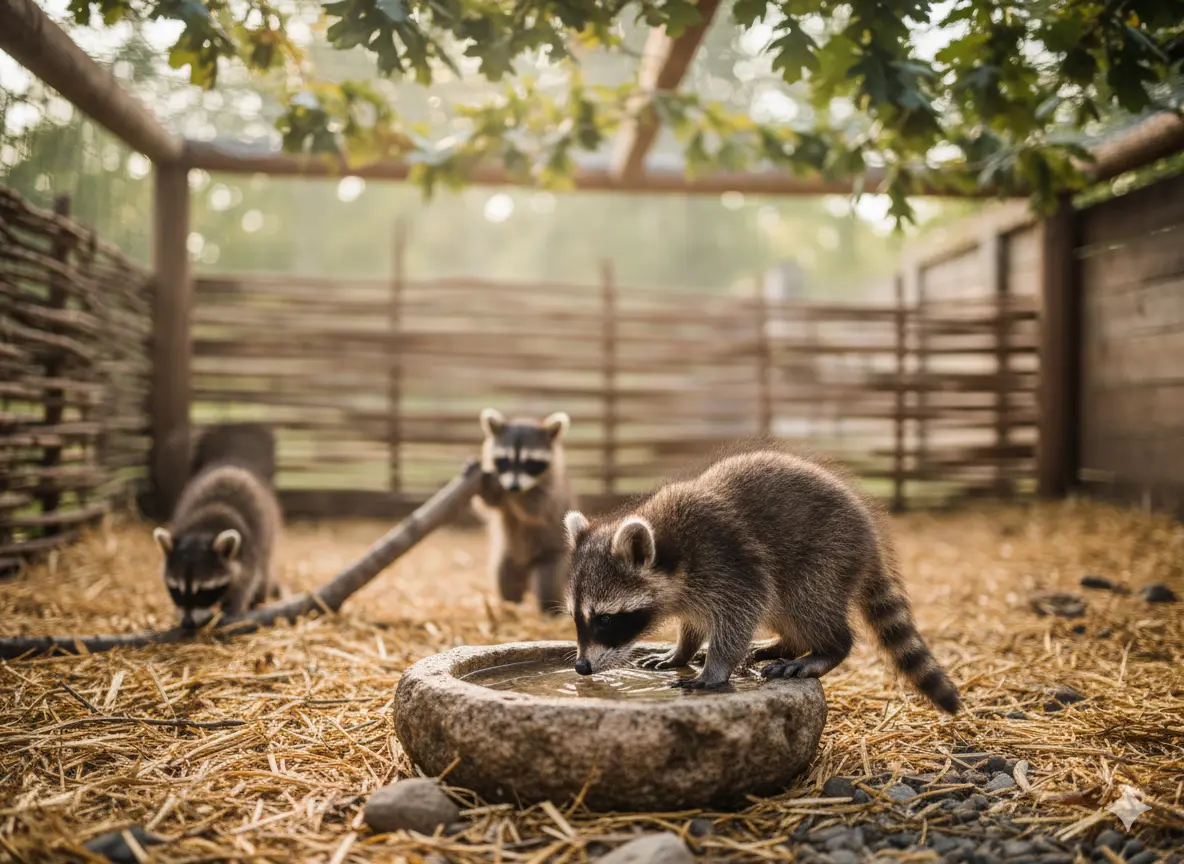
Three young raccoons in a rehabilitation enclosure, one drinking from a stone water dish while others forage nearby
Juniper regained confidence alongside two calm rescues.

Juniper, wildfire survivor

Late summer smoke left Juniper dehydrated and disoriented near the Riverbend burn scar. Hydration protocols, topical care for minor burns, and quiet housing stabilized her within 24 hours. Staff paired her with two calm rescues, accelerating foraging practice and nighttime confidence.

Outcome: Soft release to a protected oak grove. Weekly camera checks for four weeks showed normal climbing and foraging.

  • Time to stabilization24 hours
  • Cohort size3 raccoons
  • Follow up4 weeks of monitoring

The River Trio, orphaned siblings

A flood displaced three kits along Mossy Creek. Bottle feeding followed a strict schedule, nest simulation reduced stress, and volunteers built water play and dexterity puzzles to teach foraging. The siblings were released together near the wetlands corridor.

Outcome: Family release. Camera stations confirmed den sharing and coordinated foraging.

  • Age at intake6-8 weeks
  • Care period6 weeks
  • Post-release checks6 weeks
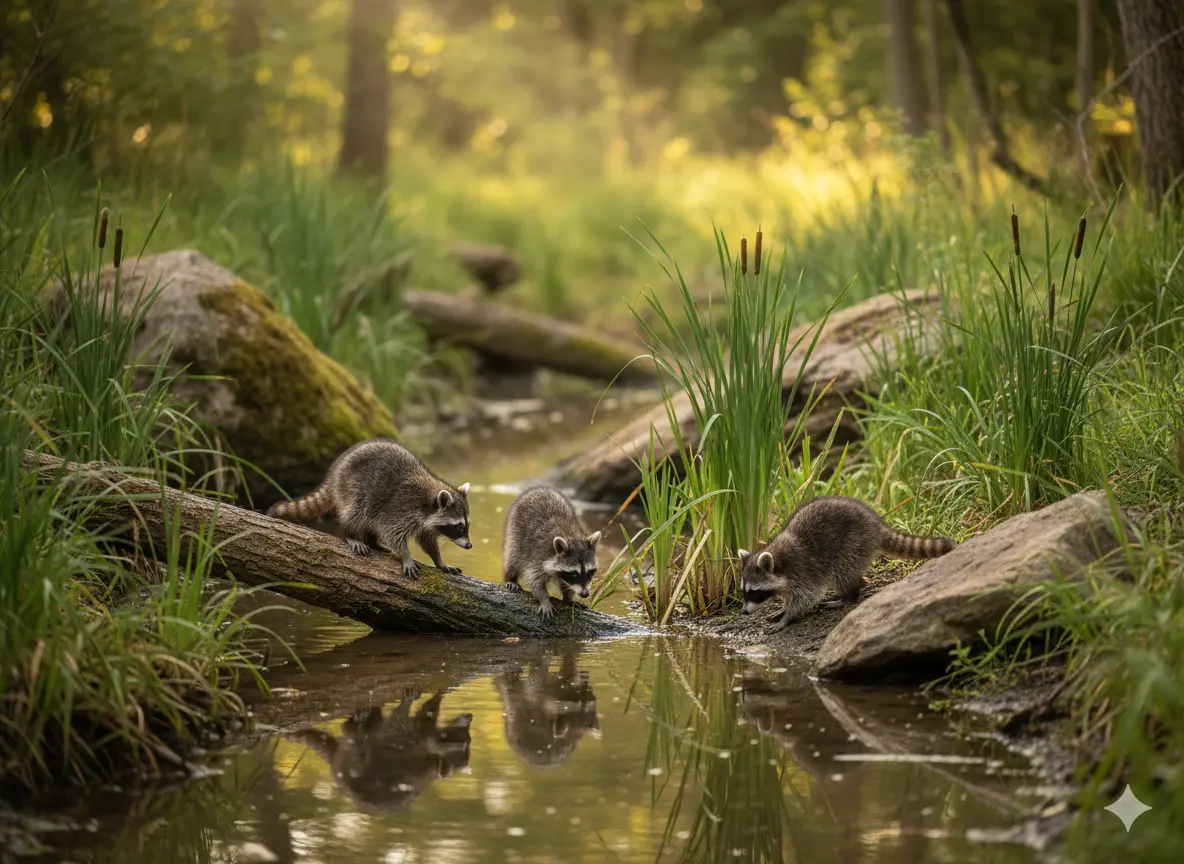
Three young raccoons foraging together along a wetland creek with mossy logs and cattails
The River Trio, orphaned siblings, released near Mossy Creek wetlands where they foraged and denned together after care.
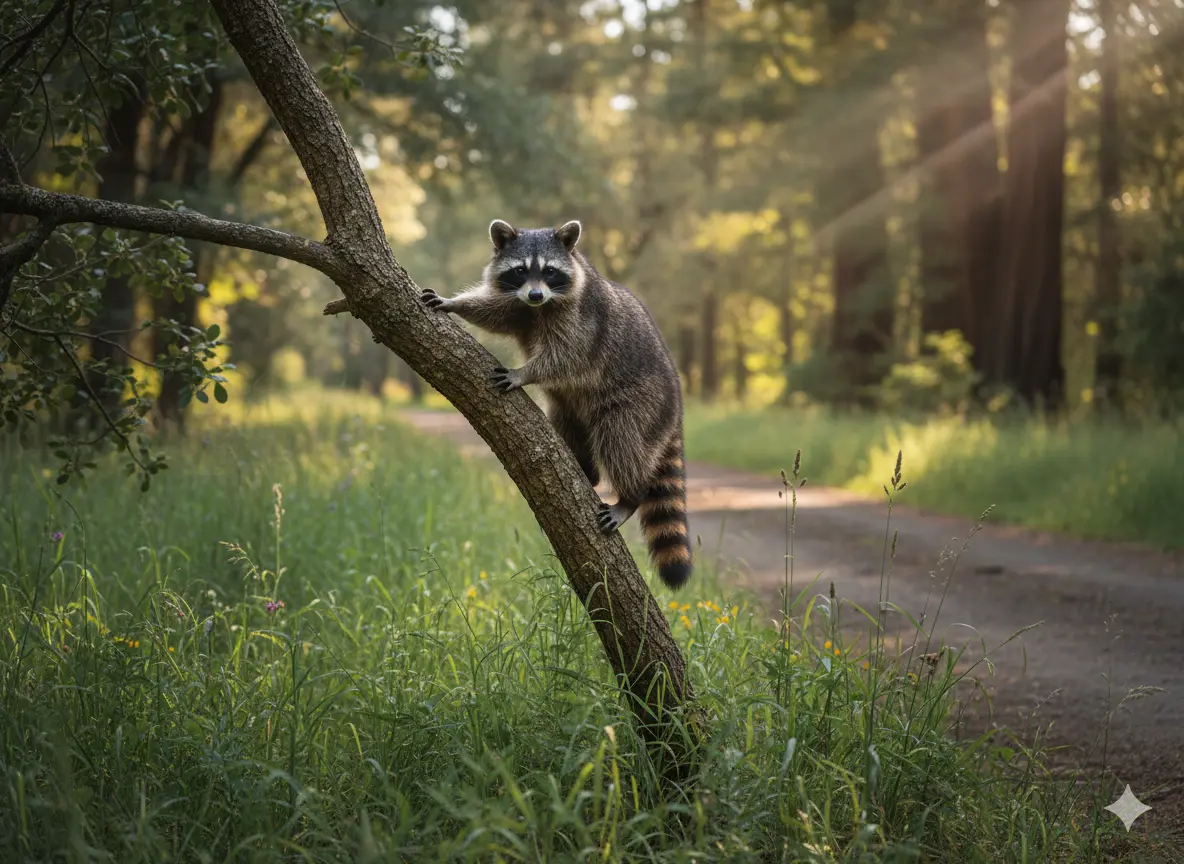
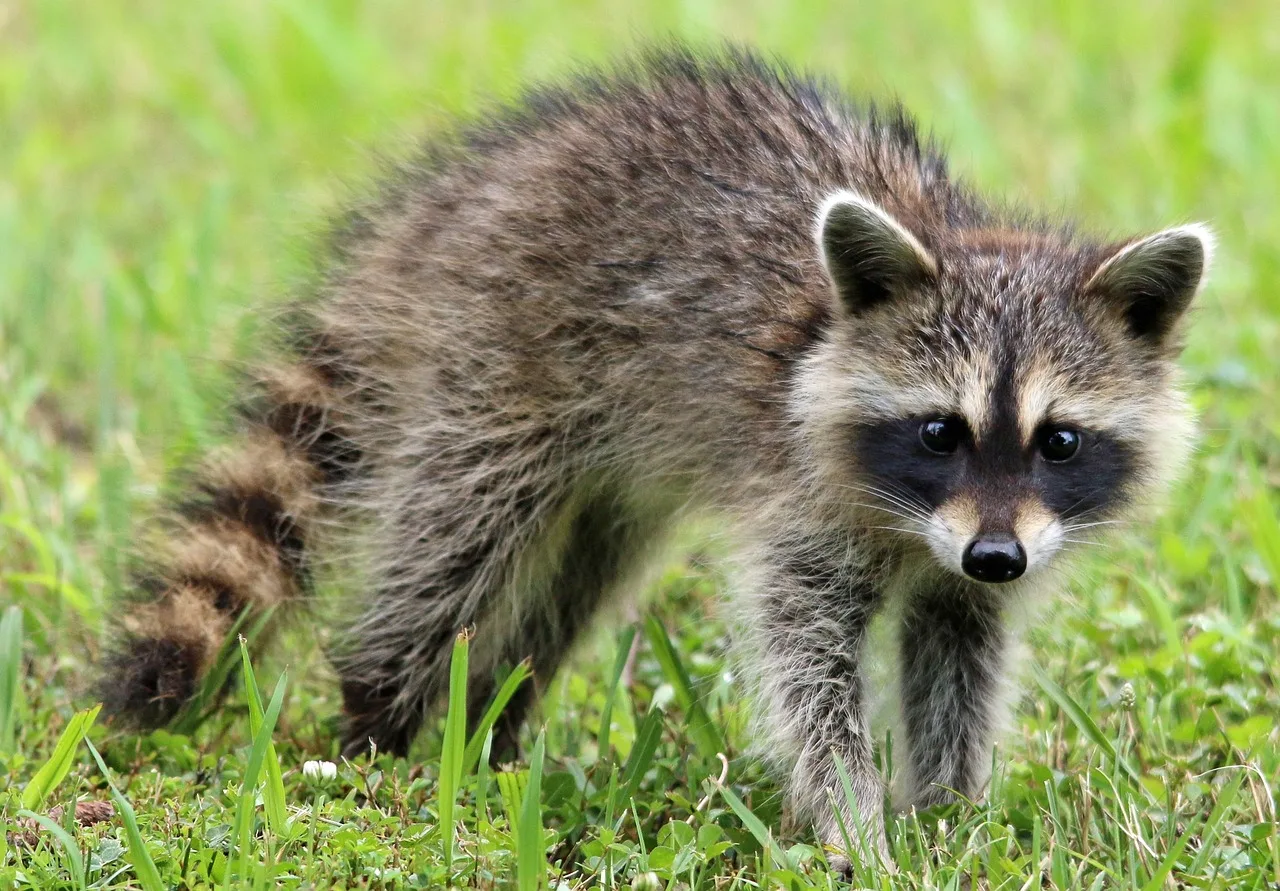
Raccoon looking out from a roadside tree
Nova regained strength after a roadside rescue and was released near her original forest edge.

Nova, roadside rescue

A driver reported Nova after a vehicle strike. Field team arrival took 38 minutes, IV fluids and analgesia began within the first hour. Imaging ruled out fractures, while crate rest, range of motion work, and progressive climbing drills built strength.

Outcome: Full release to a forested edge near her intake site.

  • Response time38 minutes
  • Rehab time5 weeks
  • Post-release checks2 weeks

Finn and Ash, nest collapse

Spring winds dropped a den from an old oak. The paired kits received warming, formula, and quiet handling with minimal sedation. A surrogate female identified through monitored release pens accepted both juveniles.

Outcome: Group release with the surrogate. Trail cams showed normal grooming and play.

  • Care period4 weeks pre-release
  • Surrogate introductionDay 18
  • Cohort outcomeStable family unit
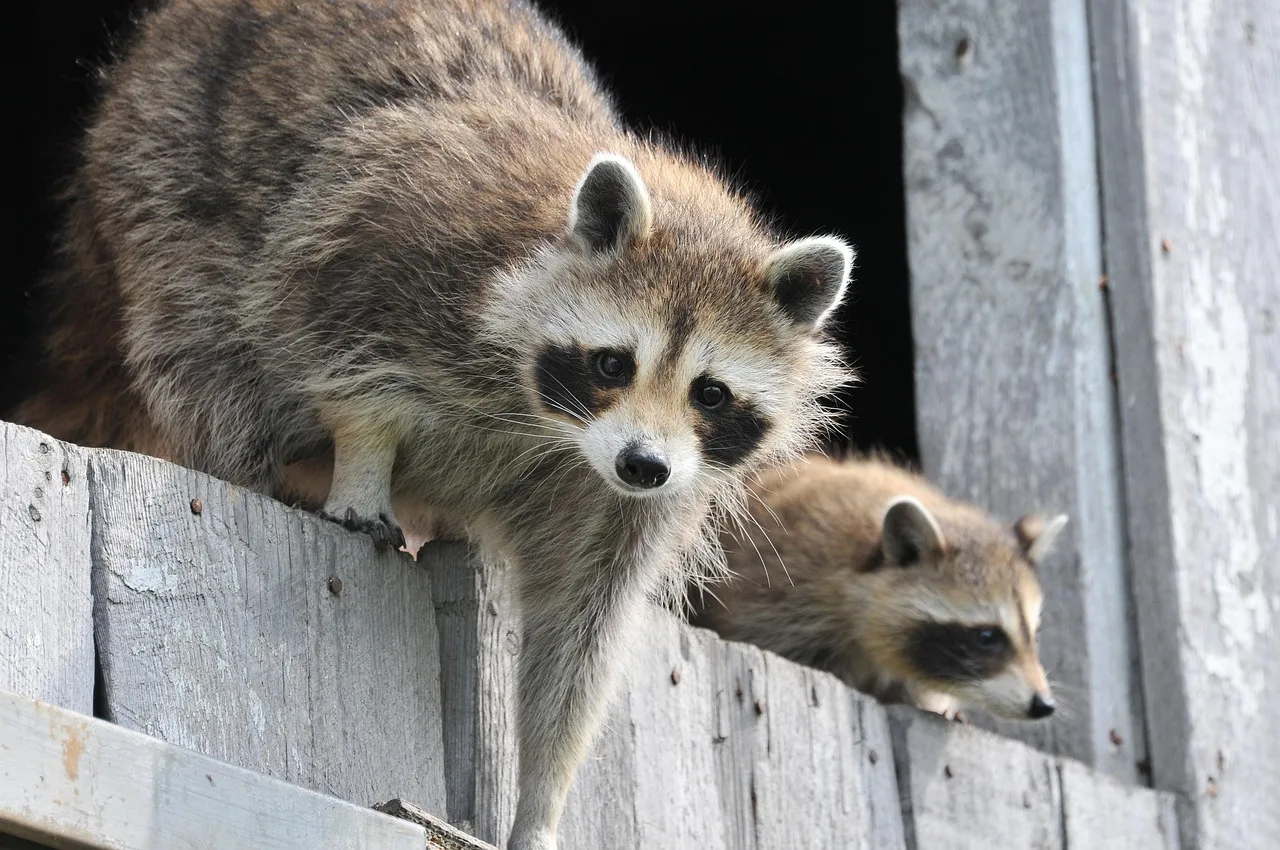
Baby raccons, Finn and Ash, looking out from their new home
Finn and Ash recovered together after their nest collapse.
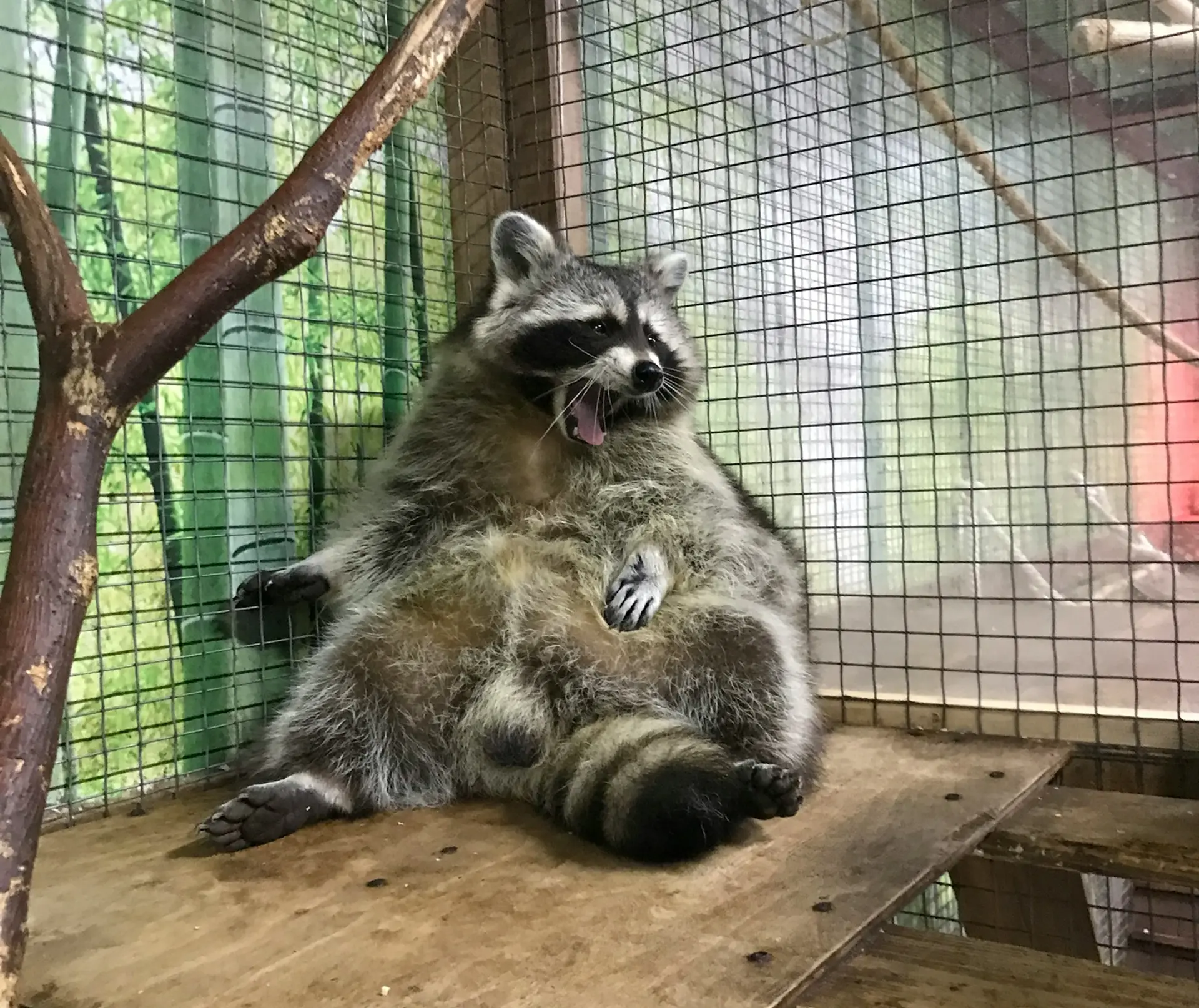
Luna raccoon lying on it's back playfully
Luna resting safely after her rescue.

Luna, fence entanglement

Luna arrived with net abrasions and mild swelling. Staff removed net fibers, treated wounds, and housed her in a low-stress enclosure with top cover and elevated resting spots. A short course of antibiotics and enrichment ladders restored confidence.

Outcome: Release near a hedgerow corridor with immediate tree climbing observed.

  • Rehab time10 days
  • ComplicationsNone
  • First night behaviorNormal climbing & grooming

Programs and practice

Integrated care from rescue to release

Interdisciplinary teams connect rapid response, evidence-based veterinary care, habitat partnerships, and education that helps communities coexist with raccoons.

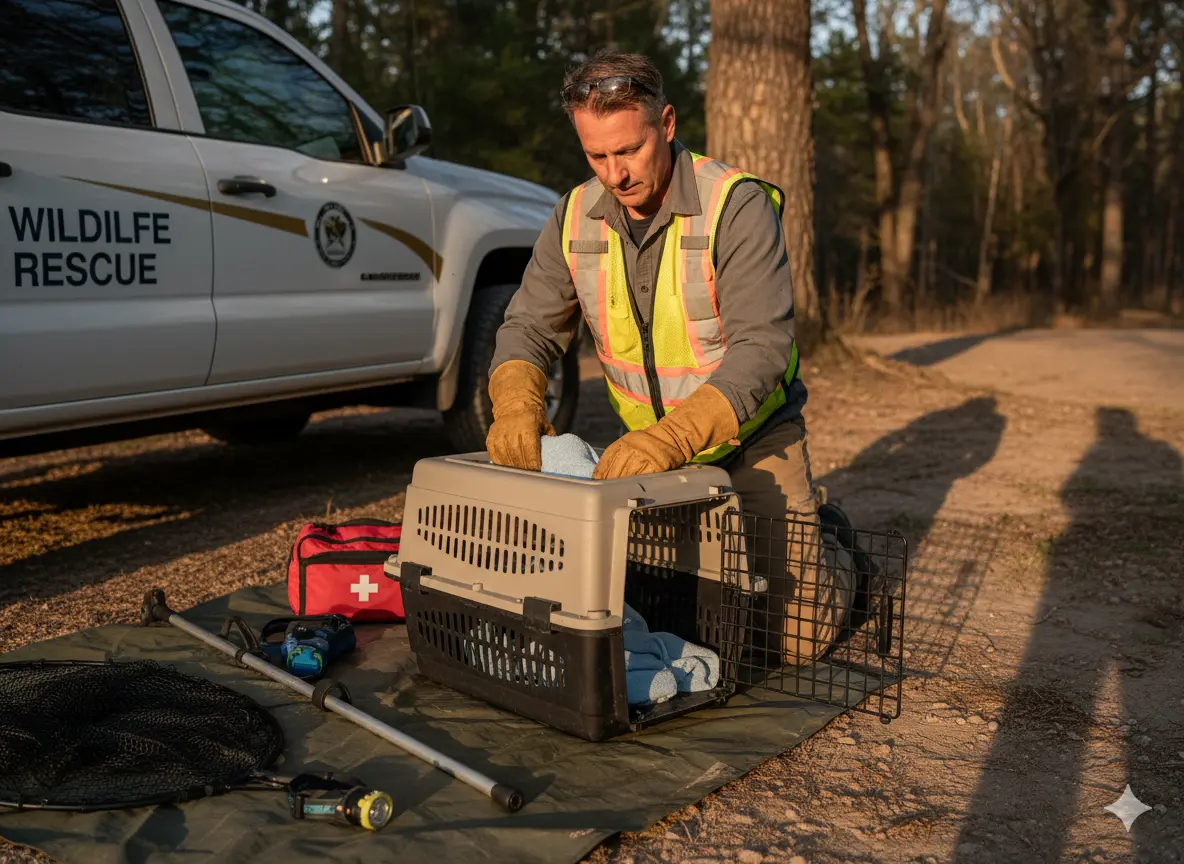
Wildlife responder preparing a transport crate
Rapid response teams staged equipment for valley-wide calls.

Rescue operations

Rapid response teams coordinate safe capture, transport, and triage for raccoons facing injury, displacement, or human conflict. Average response time in 2024 was 24 hours across the valley, with priority given to juveniles, fire zones, and roadside calls.

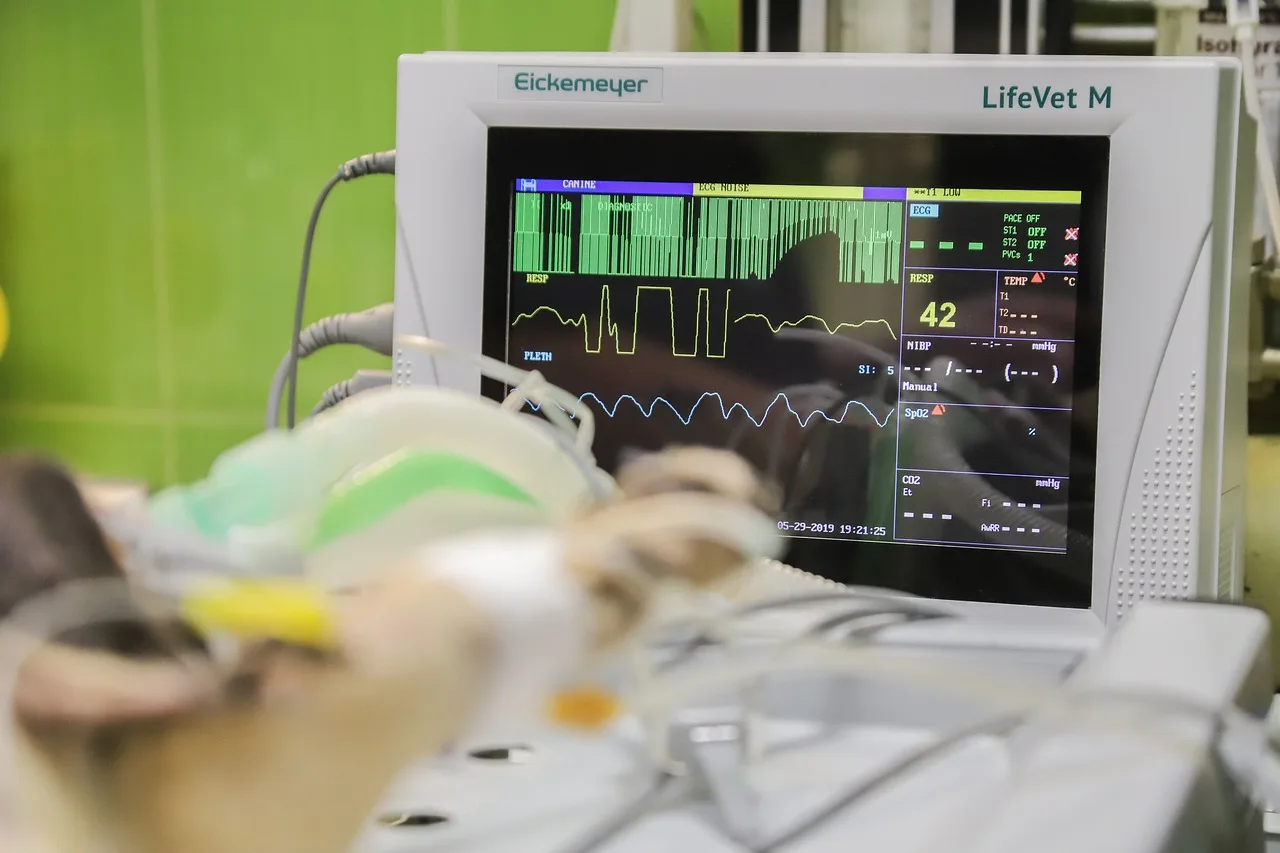
Veterinarian reviewing medical imaging
Veterinary partners reviewed imaging to tailor treatment plans.

Veterinary care

Partner veterinarians provide imaging, wound care, surgery when indicated, and long-term plans tailored to each raccoon. Protocols favor calm handling and minimal sedation. Case reviews improved release readiness scoring throughout 2024.

Volunteers planting saplings in a forest
Habitat crews planted riparian buffers and monitored den trees.

Habitat restoration

Land stewards and the Valley Conservancy opened corridors and release zones. Work focused on riparian edges, den trees, and understory structure. Eighteen acres were restored in 2024, contributing to 68 acres protected and restored since 2015.

Educator leading an outdoor workshop
Education teams led workshops on coexistence and emergency response.

Community education

Workshops, school visits, and neighborhood toolkits emphasized humane coexistence, raccoon-proofing, and emergency response basics. In 2024, 2,180 people participated, with teacher toolkits requested across three districts.

Why raccoons needed us in 2024

Environmental pressures continued, but the valley responded

Wildfire displacement and orphaned juveniles remained the leading drivers of care, while human-built hazards like fencing and vehicles demanded rapid intervention.

  • 41%

    Wildfire or smoke displacement near Riverbend required hydration, burn care, and extended monitoring.

  • 27%

    Orphaned or separated juveniles relied on round-the-clock feeding schedules and cohort socialization.

  • 20%

    Vehicle collisions underscored the need for faster field response and community coexistence education.

  • 8%

    Entanglements in netting or fencing highlighted ongoing outreach to reduce human-wildlife conflict.

  • 4%

    Other causes included disease evaluations and habitat loss assessments that inform future planning.

Financial summary, 2024

Stewarding resources for raccoon care

Community support fueled every rescue. Transparent tracking ensured funds reached raccoons quickly while setting aside reserves for future readiness.

Revenue

$148,600 total

Individual donations
$94,300
Grants
$31,800
Events and community fundraisers
$22,500

Expenses

$141,900 total

Program services
$102,100
Fundraising
$19,200
Administration
$20,600

Program share and stewardship

Program services represented 72 percent of total expenses, fundraising 14 percent, administration 15 percent.

The organization reported a $6,700 operating surplus. The board designated this amount for 2025 facility upgrades and field gear. Cash reserve covers three months of operating costs, with a target of four to six months by mid 2026.

Internal controls were reviewed in Q4, with a light external review scheduled for 2025. Restricted funds were tracked in separate classes with no variances noted.

Looking ahead, 2025 priorities

Investing in care, speed, habitat, and shared knowledge

Each priority advances the health and freedom of raccoons across Foggy Vally while strengthening the people and systems that make rescues possible.

  1. Clinic capacity and learning lab

    Complete equipment upgrades for surgical space and imaging, expand quiet housing for juveniles, and add public education modules that align with school standards. Target: $120,000 in capital and equipment, staged over two quarters.

  2. Faster field response

    Add part-time dispatch coverage and train ten new capture specialists, aiming to lower median response time from 24 hours to 18 hours by peak season.

  3. Habitat corridors

    Secure two additional riparian parcels with partners, restore 20 acres with den trees, brush structure, and water access, and standardize release site monitoring for six weeks after release.

  4. Volunteer depth and safety

    Grow to 350 active volunteers, introduce tiered training covering handling, biosecurity, enrichment design, and community speaking, and reduce turnover with mentorship cohorts.

  5. School and family programs

    Publish a raccoon coexistence toolkit for families and a field lab guide for teachers. Measure learning gains with short pre- and post-assessments, and share results in the learning lab.

  6. Data and transparency

    Adopt a unified case and outcomes log, publish quarterly dashboards on release rates, response times, and habitat gains, and invite a third-party reviewer to validate 2025 outcomes.

Thank you

Neighbors, volunteers, veterinarians, and land stewards made 2024 possible

Rescues happen because neighbors call, volunteers drive at odd hours, veterinarians share their skill, and land stewards open safe places for release. To everyone who stood up for raccoons this year, thank you.

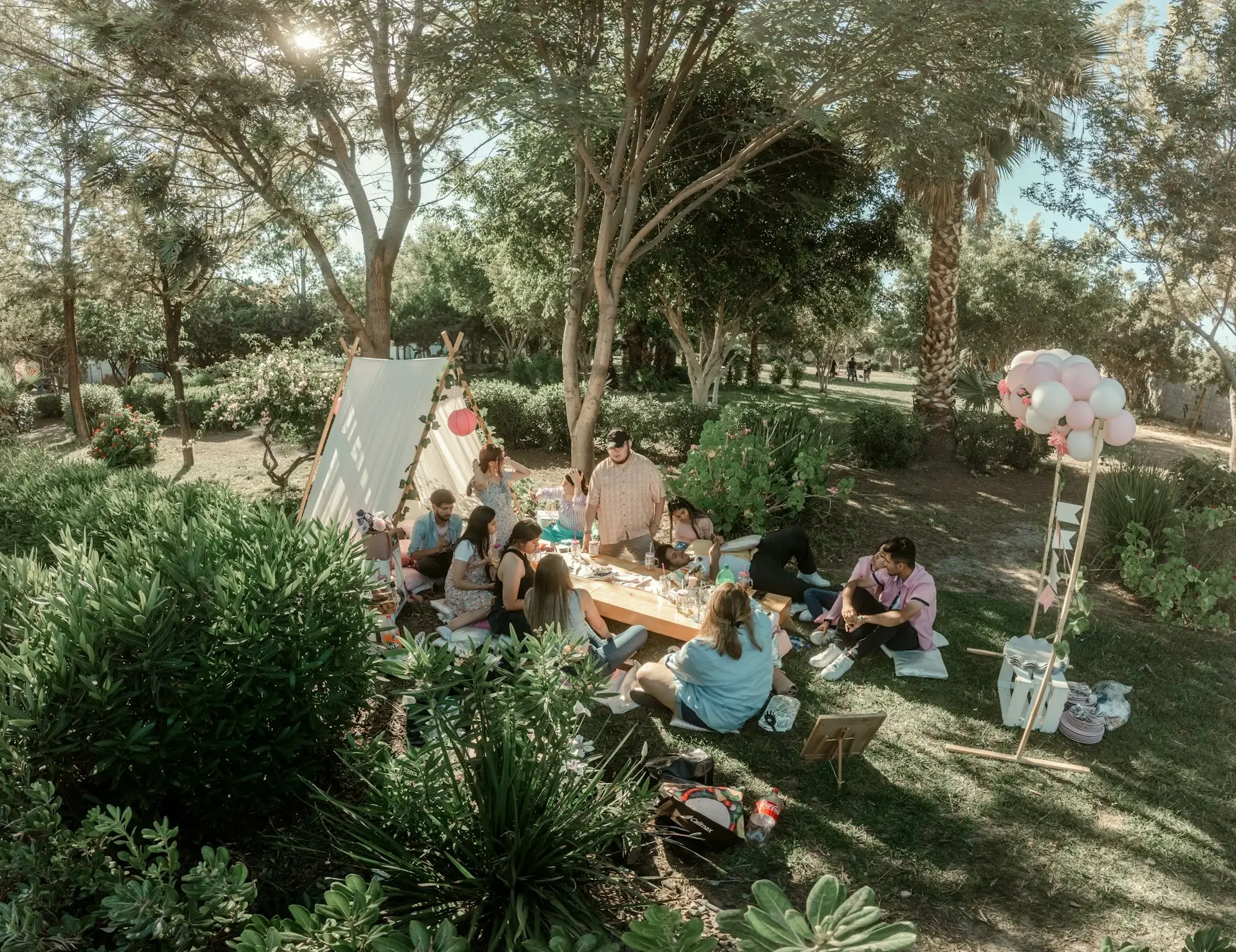
Volunteers gathered at sunset with transport crates

Organization snapshot

Foggy Vally Animal Rescue

Founded 2015 • Raccoon-specific rehabilitation • Pacific Northwest

Contact

1287 Mossy Creek Road
Foggy Vally, OR 97401

Hotline: (541) 555-1234
Email: hello@foggyvallyrescue.org

Availability

Hotline staffed 24/7 • Clinic hours by appointment • Volunteer training monthly

Registered 501(c)(3) • EIN 12-3456789

Notes

Figures reflect 2024 activity. Cumulative figures are labeled where relevant. Sample data prepared for product demonstration and conference use.

Cash reserve target: four to six months by mid 2026.