
The headline figures
| April 1 to August 25 | 2026 | 2025 |
|---|---|---|
| Kits admitted | 94 | 72 |
| Kits reunited with mother, not admitted | 27 | 14 |
| Kits released so far | 71 | 58 |
| Still in pre-release enclosures | 23 | 11 |
| Did not survive | 5 | 6 |
| Median response time (hours) | 14 | 18 |
| Formula used (lb) | 410 | 305 |
Why so many
Partly a mild winter and a good mast year, which means more litters survive to the age where they get into trouble. Partly us: the hotline number is now on the side of every Foggy Valley Fire District engine and in three school districts' spring newsletters, so more people call before they intervene. And partly the clinic wing, which opened on July 14 and let us admit animals that in past years we would have had to refer elsewhere.
Reunions first
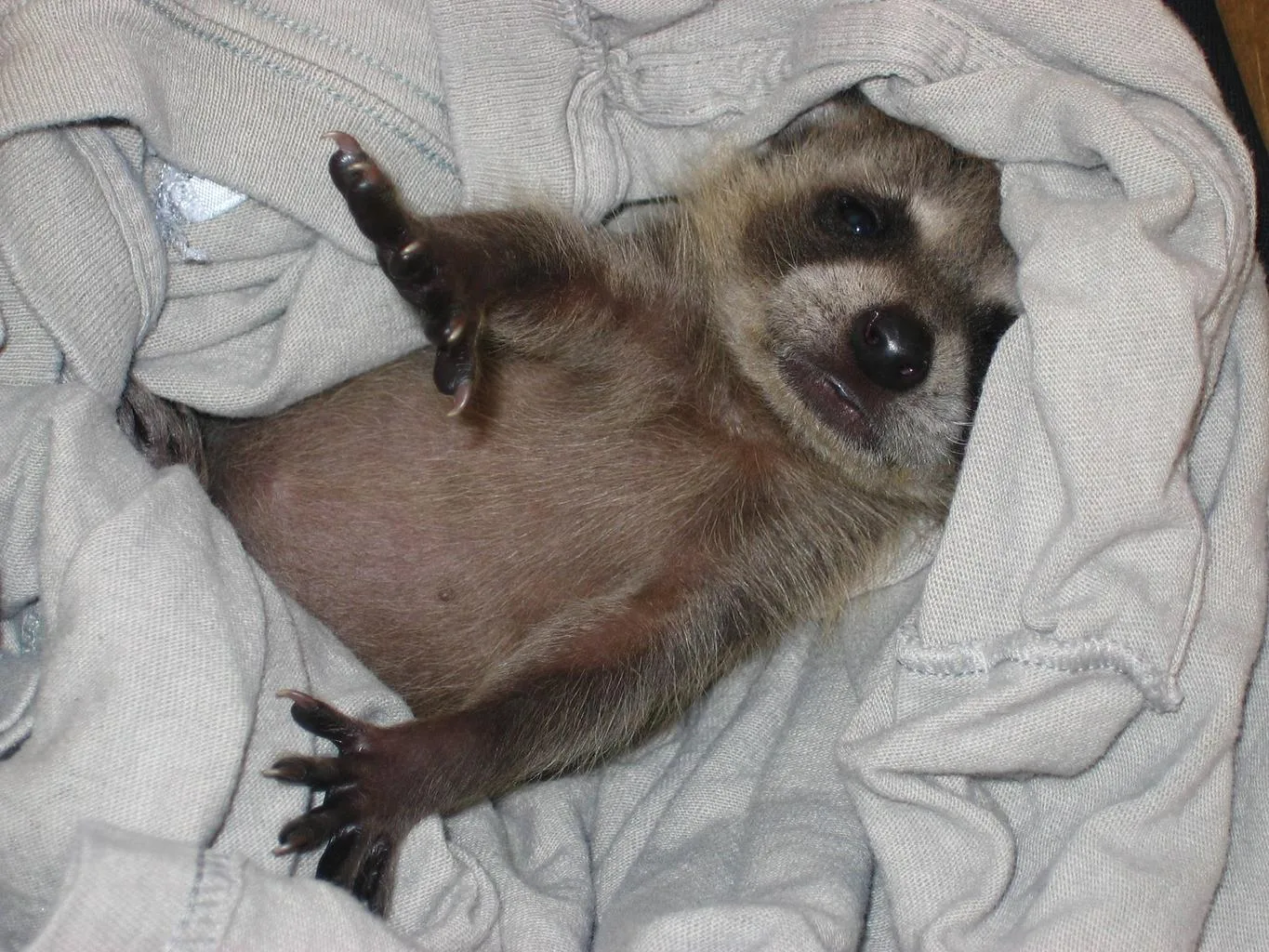
The number we are proudest of is 27. That is how many kits went back to their mothers within a day of being found, without ever being admitted. A kit raised by its mother learns things we cannot teach, and it costs the donor nothing. Reunions almost doubled this year because Tier 1 training now spends an hour on them, and because responders carry warming boxes and a trail camera as standard equipment. Read how one worked in Hazel and Pip's story.
What it cost
Formula, veterinary supplies, enclosure cleaning, and the seasonal care staff we bring on from May to September came to roughly $68,000, or about $720 per admitted kit. That is lower than the all-ages average of $1,050 because most kits need feeding and space rather than surgery. It is also about $9,000 over what we budgeted, which is why the Winter Den Fund matters.
What we would change
- Open the seasonal care roster in April, not May. The first ten days of May were the hardest of the year.
- Two more pre-release enclosures. Twenty-three kits in four enclosures is at the top of what we consider good practice.
- Publish the "found a kit" guidance in Spanish. About a fifth of spring hotline calls would have been easier with it.
Full-season figures, including the 23 kits still in care, will be in the 2026 annual report next spring.